
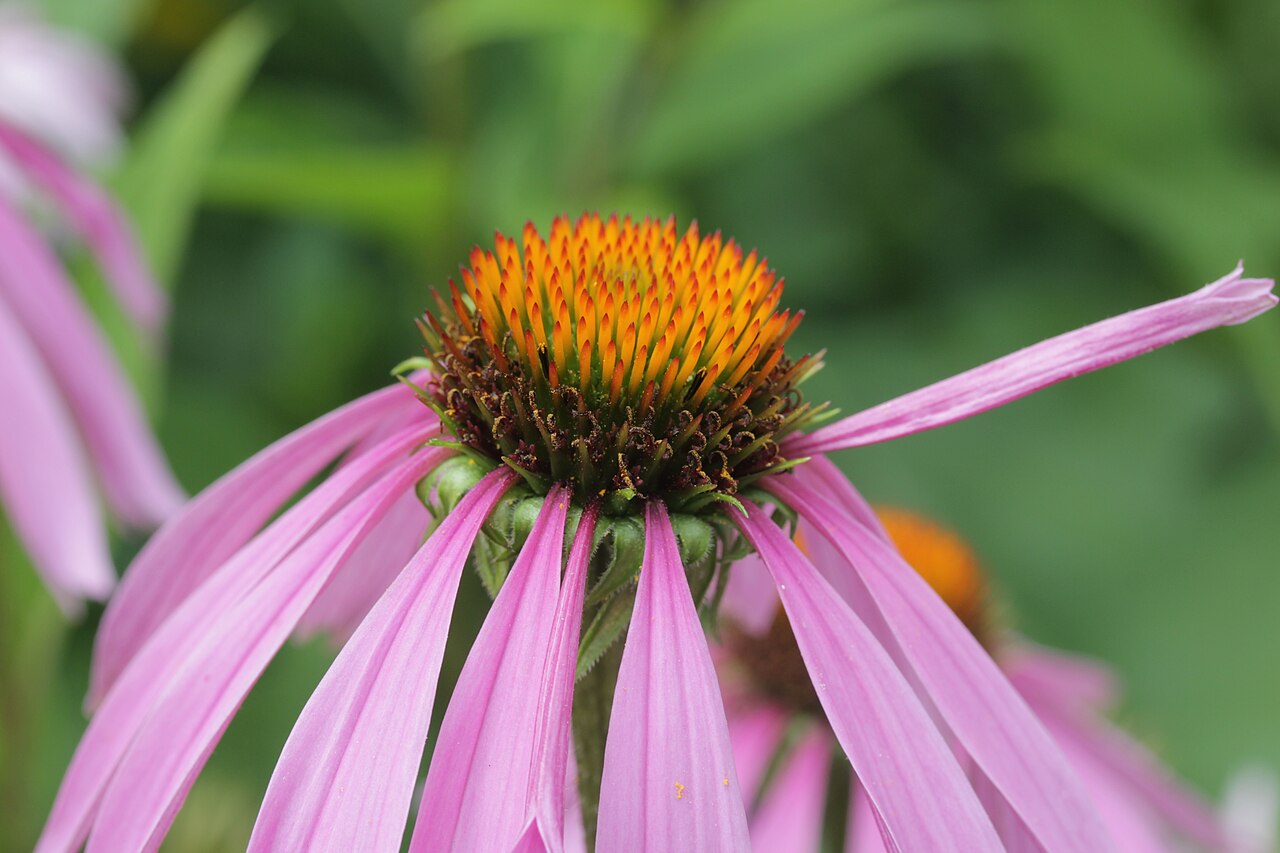
No herb makes you immune. Sleep, food, movement, hand washing and vaccines do the heavy lifting. Still, a few plants have been studied for how they affect colds and immune cells. Here is a clear look at five of them.

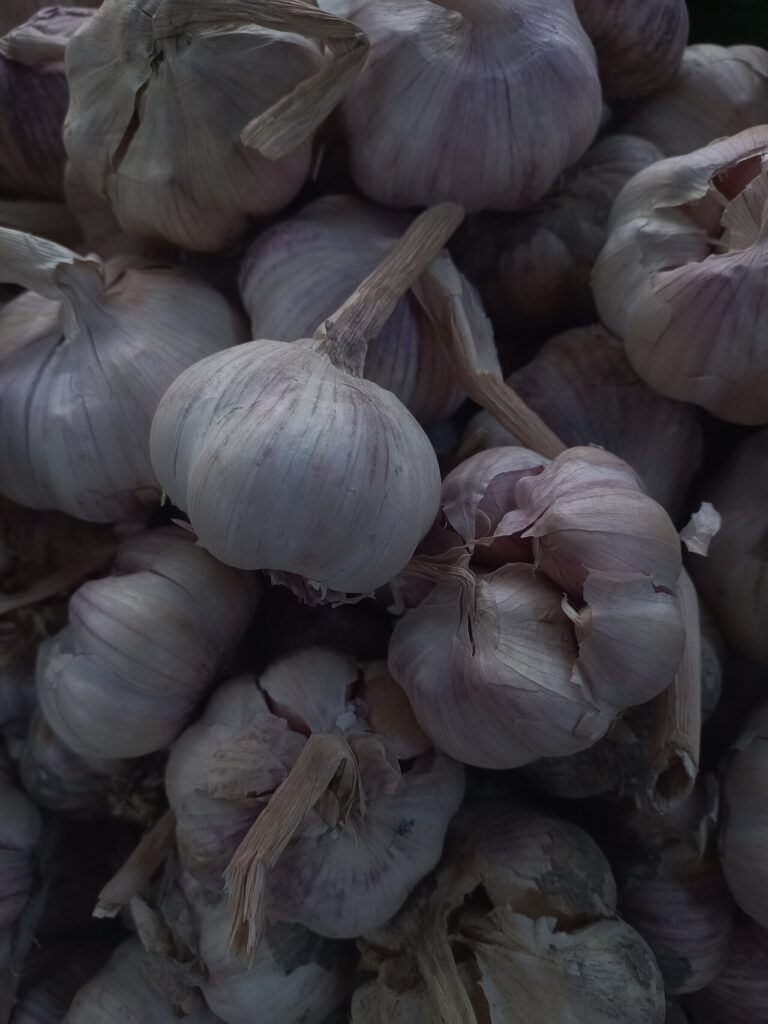
1. Garlic
Garlic (Allium sativum) contains sulfur compounds that appear to influence immune cells. In a trial of healthy adults, aged garlic extract taken for 90 days was linked to more active natural killer cells and fewer, milder cold and flu symptoms.
How to use it: crush a clove and let it rest for ten minutes before cooking, which helps its active compounds form.
Be careful: garlic can thin the blood slightly. Mention it before surgery.
2. Elderberry
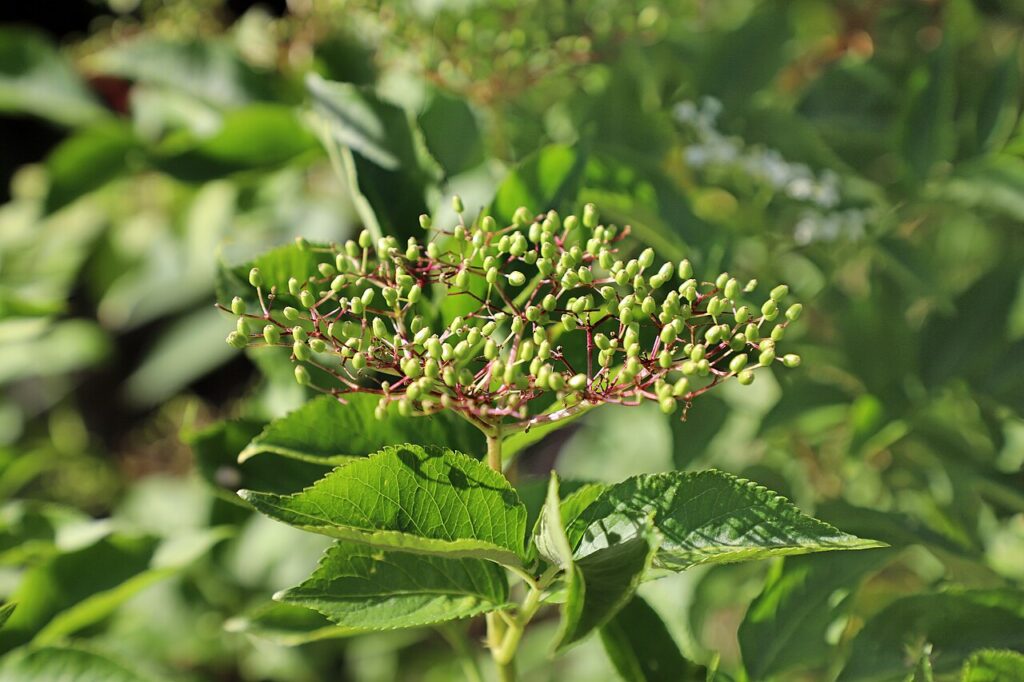
Black elderberry (Sambucus nigra) syrup is popular for colds. A review of small trials found it may shorten the duration of upper respiratory symptoms, though the studies were few and small.
How to use it: a commercial syrup at the dose on the label, taken at the start of a cold.
Be careful: raw elderberries, leaves and stems are toxic. Only use properly cooked or manufactured products.
3. Echinacea
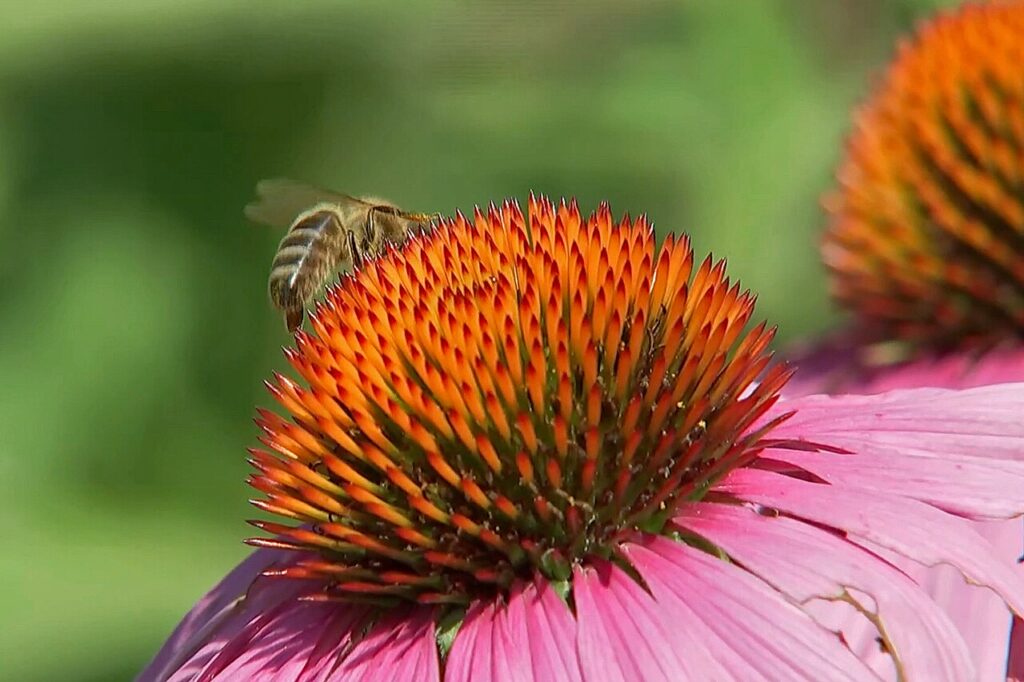
Echinacea (Echinacea purpurea) is the purple coneflower. Evidence is mixed: some products show a small benefit and others none, partly because products differ so much.
How to use it: choose a brand that names the species and plant part, and use it for a short period at the first signs of a cold.
Be careful: people allergic to ragweed or daisies may react. It is not for long-term use.
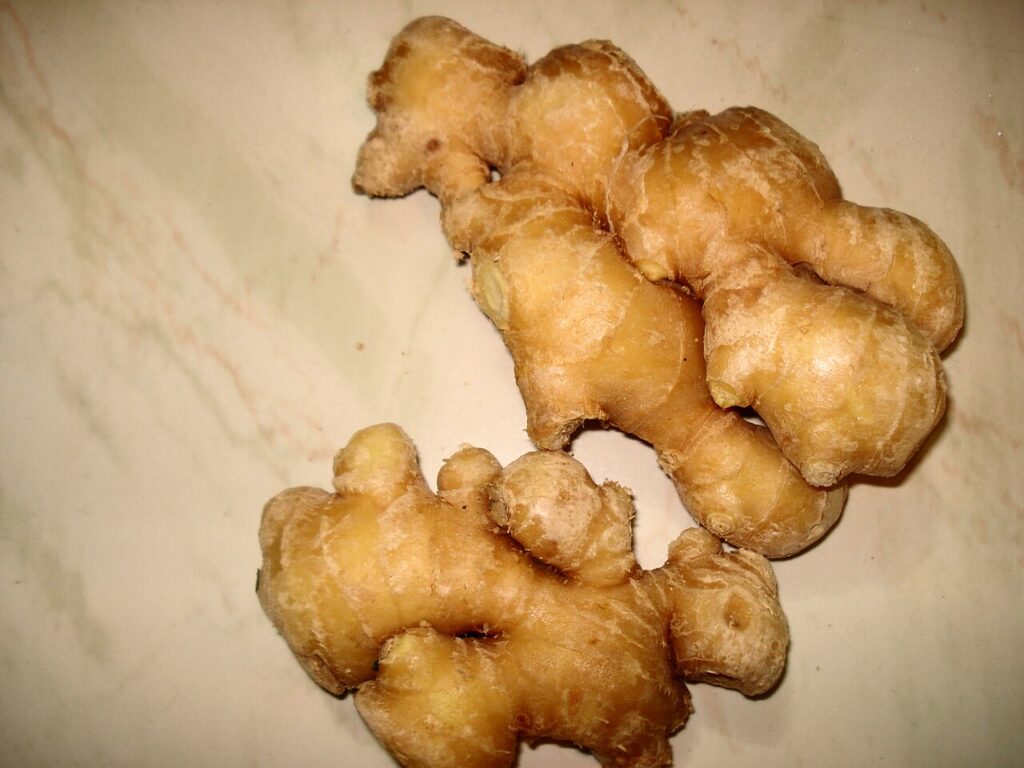
4. Ginger
Ginger (Zingiber officinale) is a warming food with anti-inflammatory compounds. It is not proven to prevent infections, but a hot ginger drink soothes a sore throat and encourages fluids when you are unwell.
How to use it: slice fresh root into hot water with a little honey for adults and children over one year.
Be careful: too much can cause heartburn.
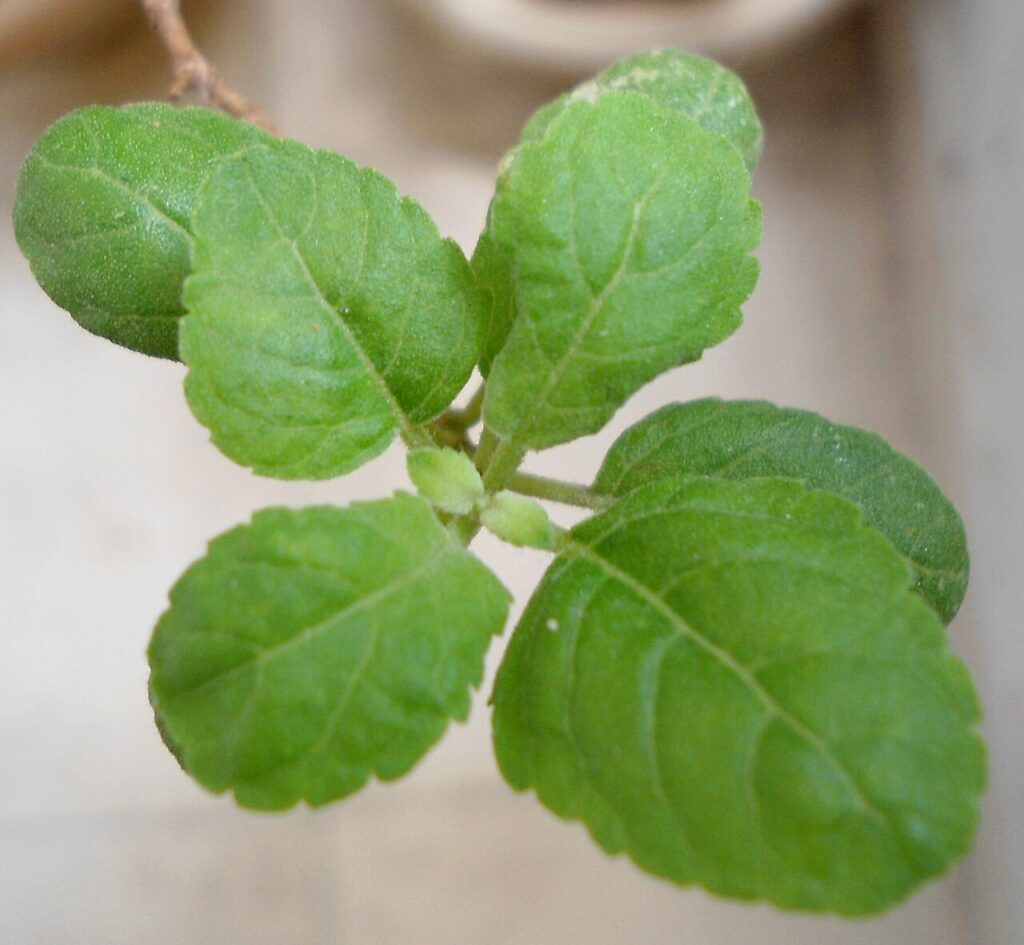
5. Holy basil (tulsi)
Holy basil (Ocimum tenuiflorum) is a sacred plant in India and a common tea in Thailand, where it is also called kaphrao. Early studies suggest it may calm stress, which indirectly supports immunity, but good trials are still few.
How to use it: a tea of fresh or dried leaves, or cooked in food.
Be careful: it may lower blood sugar and slow blood clotting, so ask your doctor if you take medicine for either.
Myth or fact?
Try this week
- Add one crushed garlic clove to dinner each day.
- Sleep seven to nine hours, as adults.
- Wash hands before eating.
- Drink warm herbal tea when you feel a cold coming.
Sources
- Nantz MP, et al. Supplementation with aged garlic extract improves both NK and gamma-delta T cell function and reduces the severity of cold and flu symptoms. Clin Nutr. 2012.
- Hawkins J, et al. Black elderberry (Sambucus nigra) supplementation effectively treats upper respiratory symptoms: a meta-analysis of randomized, controlled clinical trials. Complement Ther Med. 2019.
This article is for general information and is not medical advice. Talk to your doctor before using herbs, especially if you are pregnant, nursing, or take medicine.
Edited by Rehel Jemera Sausa