
Stress is part of teaching, parenting and working. Herbs will not remove it, but a few have been studied for how they help the body and mind settle. Used with rest, movement and prayer or quiet time, they can be a gentle extra.
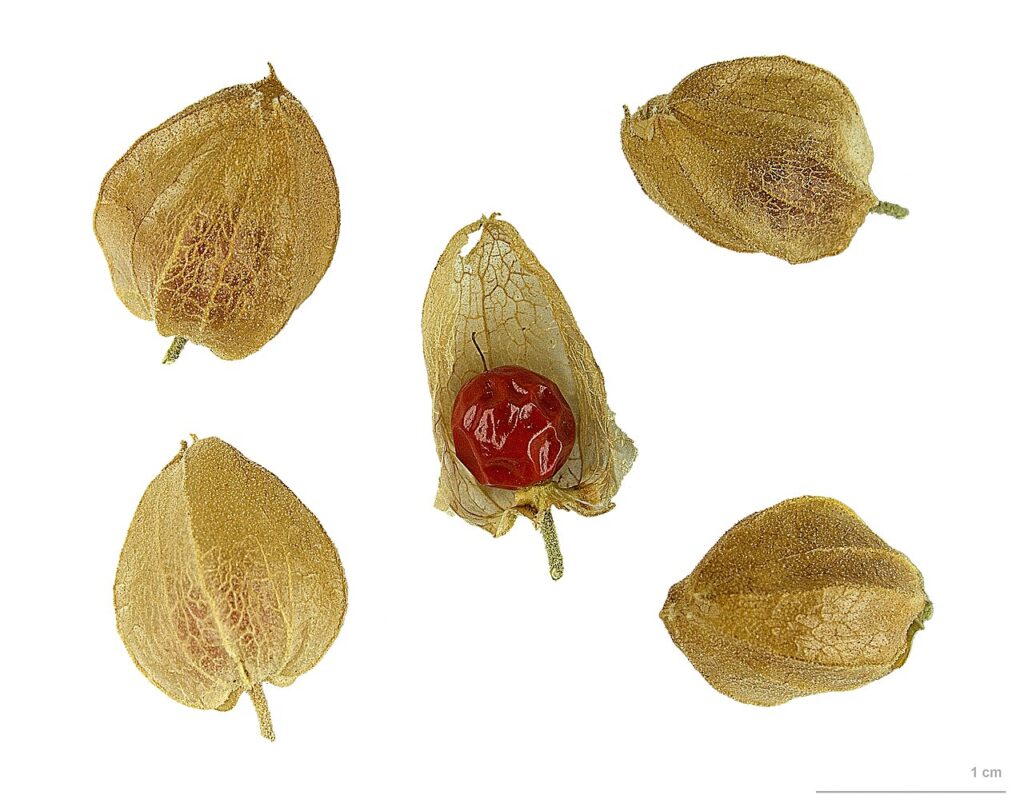
1. Ashwagandha
Ashwagandha (Withania somnifera) is a root used in Ayurvedic medicine. In a trial of stressed adults, those taking a standardised root extract for 60 days reported lower stress and had lower levels of the stress hormone cortisol than those on placebo.
How to use it: as a standardised capsule or powder in warm milk, at the label dose.
Be careful: avoid it in pregnancy and with thyroid disease unless your doctor agrees. Stop and see a doctor if you notice yellow skin or dark urine.
2. Holy basil (tulsi)
Holy basil (Ocimum tenuiflorum) is a fragrant herb brewed as tea across South and Southeast Asia. Small studies suggest it may reduce feelings of stress, though more research is needed.
How to use it: steep fresh or dried leaves for 5 minutes and sip slowly.
Be careful: it may lower blood sugar, so check with your doctor if you use diabetes medicine.

3. Lemon balm
Lemon balm (Melissa officinalis) is a mild, lemon-scented mint. In a small laboratory study, a single dose improved calmness and mood during a stress test.
How to use it: a cup of tea made from a handful of fresh leaves.
Be careful: it can add to sedatives and may affect thyroid medicine.

4. Rhodiola
Rhodiola (Rhodiola rosea) is a mountain plant used for tiredness caused by stress. Some small trials report less fatigue, but results are mixed and product quality varies.
How to use it: a standardised capsule in the morning for a few weeks.
Be careful: it can feel stimulating, so avoid it late in the day, and avoid it if you have bipolar disorder.

5. Lavender
Lavender (Lavandula angustifolia) scent is linked in studies to a calmer mood. Breathing its aroma is an easy, low-risk way to pause.
How to use it: a few drops of oil on a cloth, kept near you, or a dried flower sachet.
Be careful: do not swallow essential oils, and dilute them before putting them on the skin.

Myth or fact?
Try this week
- Take ten quiet minutes each day with a cup of herbal tea.
- Breathe in for four counts and out for six, five times.
- Walk outside for 15 minutes.
- Pick one herb and use it for two weeks.
Sources
- Chandrasekhar K, Kapoor J, Anishetty S. A prospective, randomized double-blind, placebo-controlled study of safety and efficacy of a high-concentration full-spectrum extract of ashwagandha root in reducing stress and anxiety in adults. Indian J Psychol Med. 2012.
- Kennedy DO, et al. Attenuation of laboratory-induced stress in humans after acute administration of Melissa officinalis (lemon balm). Psychosom Med. 2004.
- Moss M, et al. Aromas of rosemary and lavender essential oils differentially affect cognition and mood. Int J Neurosci. 2003.
This article is for general information and is not medical advice. Talk to your doctor before using herbs, especially if you are pregnant, nursing, or take medicine.
Edited by Rehel Jemera Sausa