

Skin reflects sleep, food, stress and sun. Plants will not replace sunscreen or a dermatologist, but some are used gently at home. The rule for all of them: test a small spot first, and stop if the skin stings or reddens.

1. Tea tree oil
Tea tree oil (Melaleuca alternifolia) has antimicrobial properties and is used in small amounts on spots. A 5% tea tree shampoo also reduced dandruff in a trial.
How to use it: always dilute. Mix one drop in a teaspoon of carrot or coconut oil and dab on a spot.
Be careful: do not swallow it, and do not use it undiluted. Repeated use of tea tree and lavender oils on young boys has been linked to breast tissue changes.

2. Centella (gotu kola)
Centella (Centella asiatica) is a creeping plant eaten in Thailand and across Asia, and used in creams for minor wounds and scars. Evidence is modest but creams are generally well tolerated.
How to use it: as a commercial cream, patch-tested first.
Be careful: rarely, it causes contact dermatitis.

3. Green tea
Green tea (Camellia sinensis) contains antioxidants. Cooled tea can be dabbed on the face as a mild toner.
How to use it: brew, cool fully, and apply with cotton.
Be careful: keep it out of the eyes.

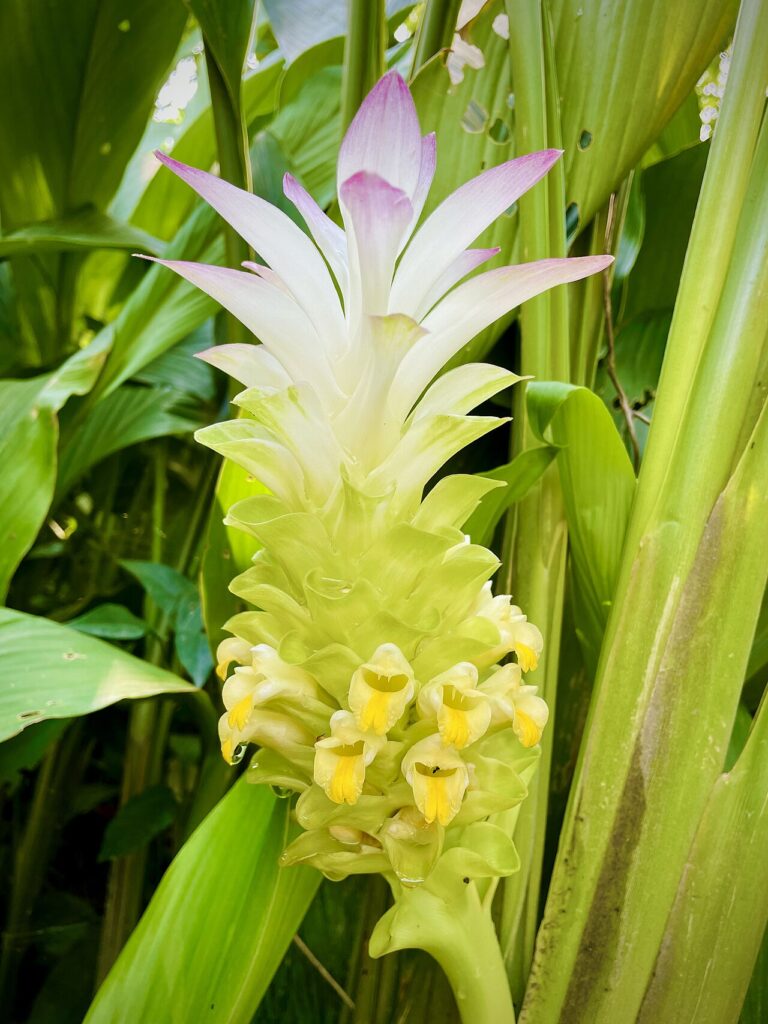
4. Turmeric
Turmeric (Curcuma longa) is eaten for its anti-inflammatory curcumin. Turmeric masks are popular, but they stain skin and may cause rashes.
How to use it: mostly as food. If you try a mask, mix a pinch with yogurt and test first.
Be careful: stop if it itches.
5. Neem
Neem (Azadirachta indica) leaves are a traditional skin wash in South Asia, often in soaps and creams.
How to use it: as a commercial soap or cream.
Be careful: neem oil must not be swallowed, and it is not for babies or pregnancy.

Myth or fact?
Try this week
- Patch test any new plant product on the inner forearm for 24 hours.
- Wash your face gently twice a day.
- Use sunscreen daily.
- Drink water and eat plenty of vegetables.
Sources
This article is for general information and is not medical advice. Talk to your doctor before using herbs, especially if you are pregnant, nursing, or take medicine.
Edited by Rehel Jemera Sausa