
Cravings are rarely a lack of willpower. Hunger hormones, poor sleep, stress and long gaps between meals all play a part. A few herbs have been studied for fullness, but the effects are small, so think of them as friendly helpers and not as a cure.
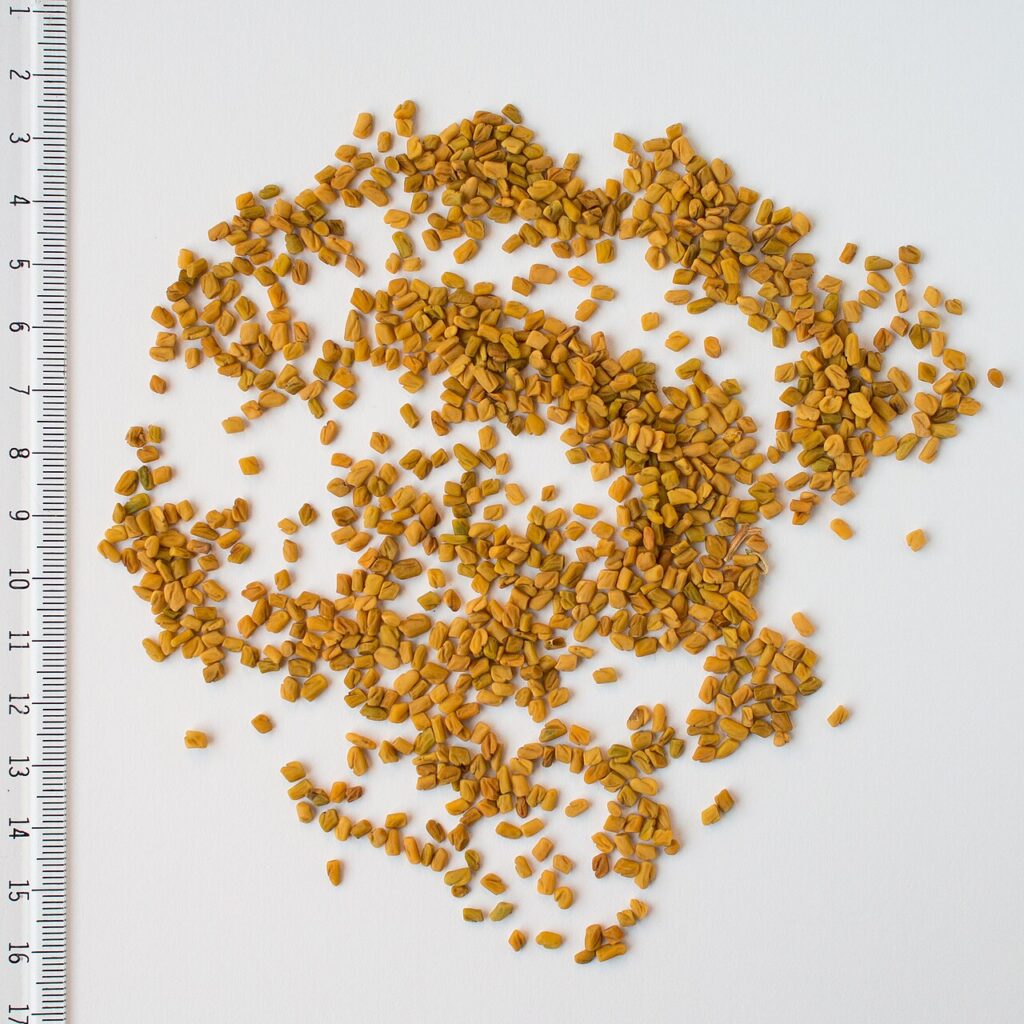
1. Fenugreek
Fenugreek (Trigonella foenum-graecum) seeds are rich in soluble fiber. In one small trial of obese adults, fenugreek fiber increased feelings of fullness and lowered how much was eaten at the next meal.
How to use it: Soak a teaspoon of seeds overnight and eat them, or add the ground seeds to curries and breads.
Be careful: It can cause gas and loose stools, and it may lower blood sugar, so check with your doctor if you take diabetes medicine. Avoid it in pregnancy.
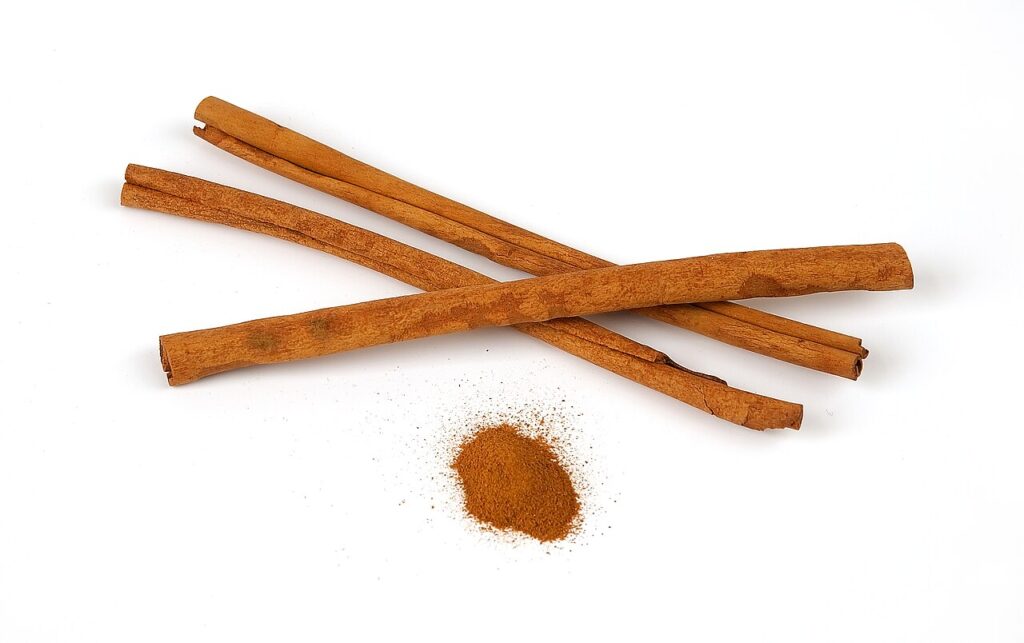
2. Cinnamon
Cinnamon (Cinnamomum) can slightly lower fasting blood sugar in some people, and steadier sugar can mean fewer sweet cravings. The effect is modest.
How to use it: Sprinkle half a teaspoon on oatmeal, fruit or tea.
Be careful: Cassia cinnamon contains coumarin, which can strain the liver in large amounts. Use small amounts, or choose Ceylon cinnamon.
3. Peppermint
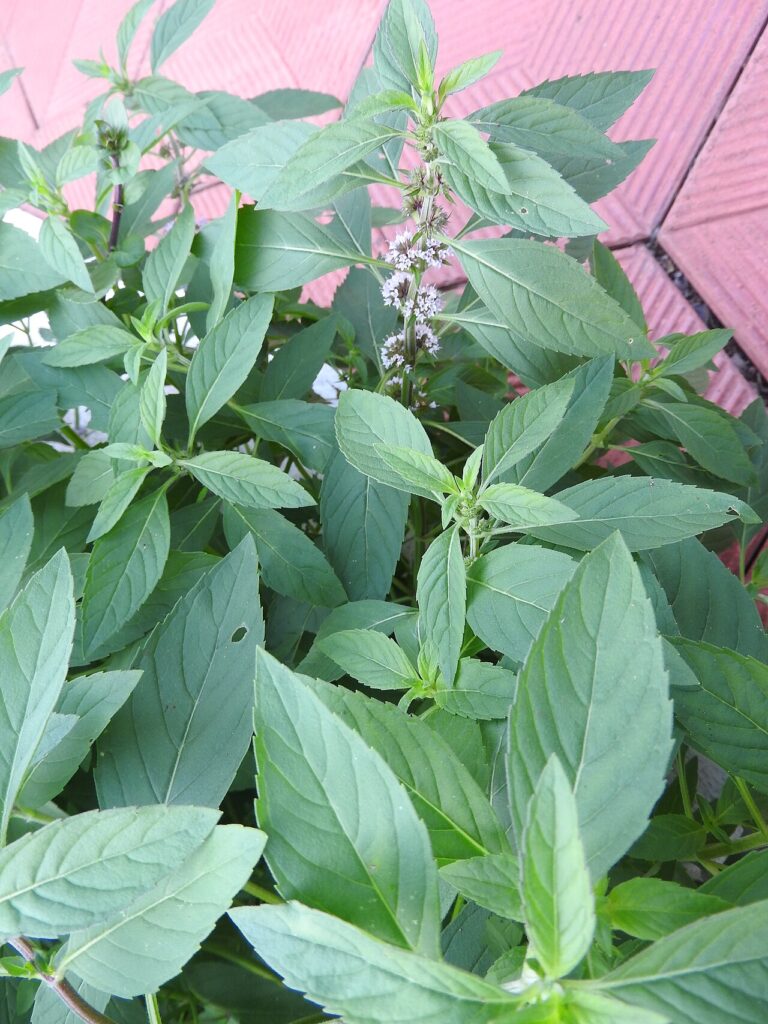
Peppermint (Mentha piperita) smells fresh and clean, and early small studies suggest the scent may reduce snacking. Evidence is thin, but a cup of mint tea is a pleasant way to end a meal.
How to use it: Sip a cup of peppermint tea after dinner, or when you want a snack but are not truly hungry.
Be careful: Peppermint can worsen heartburn in some people.
4. Green tea
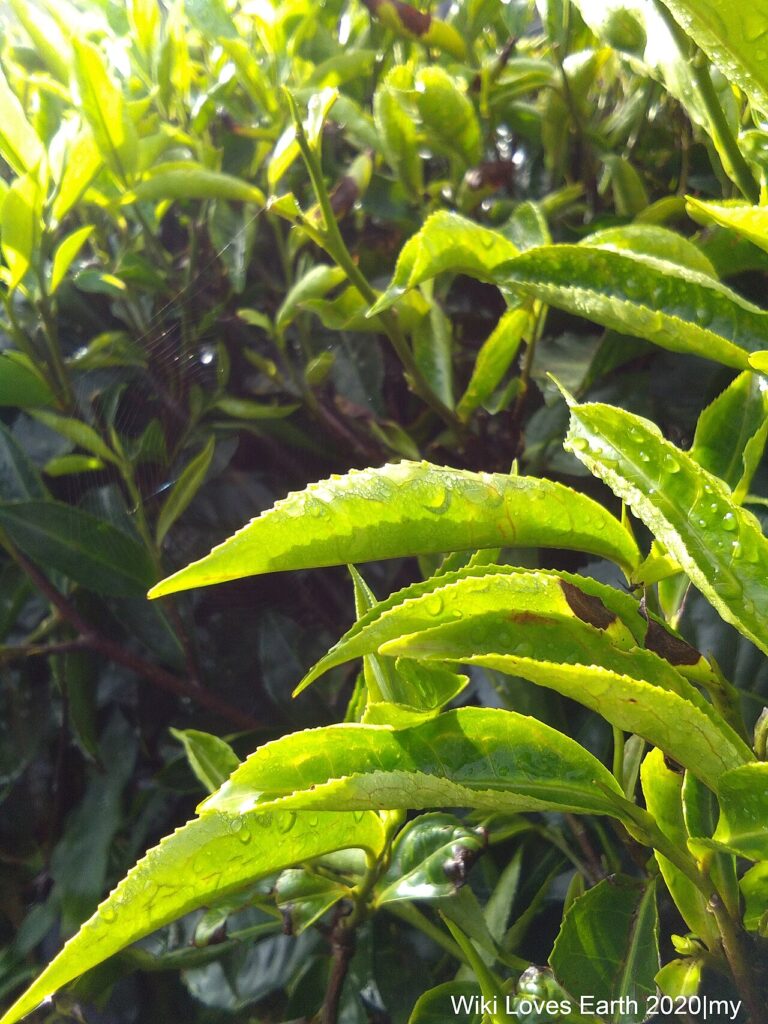
Green tea (Camellia sinensis) contains catechins and a little caffeine, and it is a better evening-snack replacement than sweet drinks. It will not melt away weight by itself.
How to use it: Two or three cups a day, ideally between meals.
Be careful: Avoid concentrated green tea extract pills, which have been linked to liver injury. Limit caffeine late in the day.
5. Caralluma
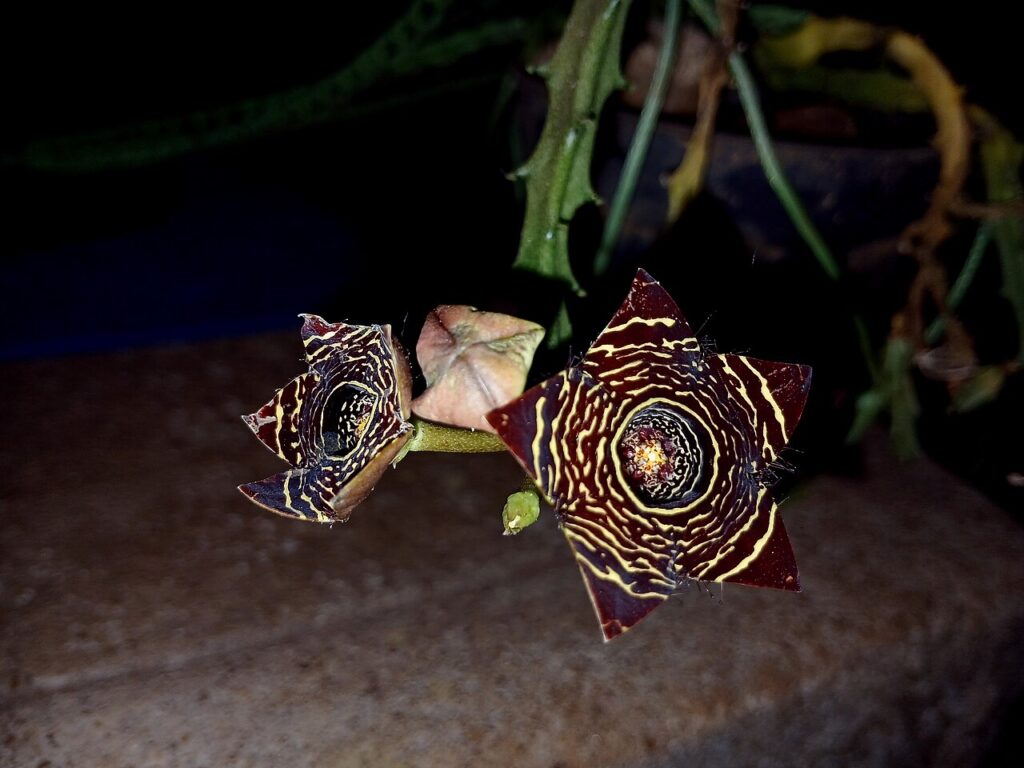
Caralluma fimbriata is a succulent eaten as a vegetable in parts of India. In one small trial in adults, a daily extract reduced hunger and waist size compared with placebo. More research is needed.
How to use it: It is sold as a supplement, so talk to your doctor or pharmacist first.
Be careful: It can cause stomach upset, and its long-term safety is not well known. Do not use it in pregnancy or while nursing.
Myth or fact?
Try this week
- Eat protein and fiber at breakfast.
- Drink a glass of water or a cup of tea when a craving hits, and wait ten minutes.
- Keep a regular sleep time for one week.
- Add a teaspoon of soaked fenugreek seeds or a dash of cinnamon to one meal.
Sources
- Mathern JR, et al. Effect of fenugreek fiber on satiety, blood glucose and insulin response and energy intake in obese subjects. Phytother Res. 2009.
- Kuriyan R, et al. Effect of Caralluma fimbriata extract on appetite, food intake and anthropometry in adult Indian men and women. Appetite. 2007.
- Allen RW, et al. Cinnamon use in type 2 diabetes: an updated systematic review and meta-analysis. Ann Fam Med. 2013.
This article is for general information and is not medical advice. Talk to your doctor before using herbs, especially if you are pregnant, nursing, or take medicine.
Edited by Rehel Jemera Sausa