

Many of us eat more salt than our hearts like. The good news is that taste does not depend on salt alone. Fresh herbs add aroma, brightness and depth, so your meals feel full even with less sodium. Here are five easy ones to grow or buy.

1. Basil
Sweet basil (Ocimum basilicum) adds a fresh, peppery sweetness to tomato dishes, eggs and soups.
How to use it: tear it in at the end of cooking, because heat dulls its aroma.
Tip: in Thai cooking, holy basil and Thai basil give a different, spicier flavor.
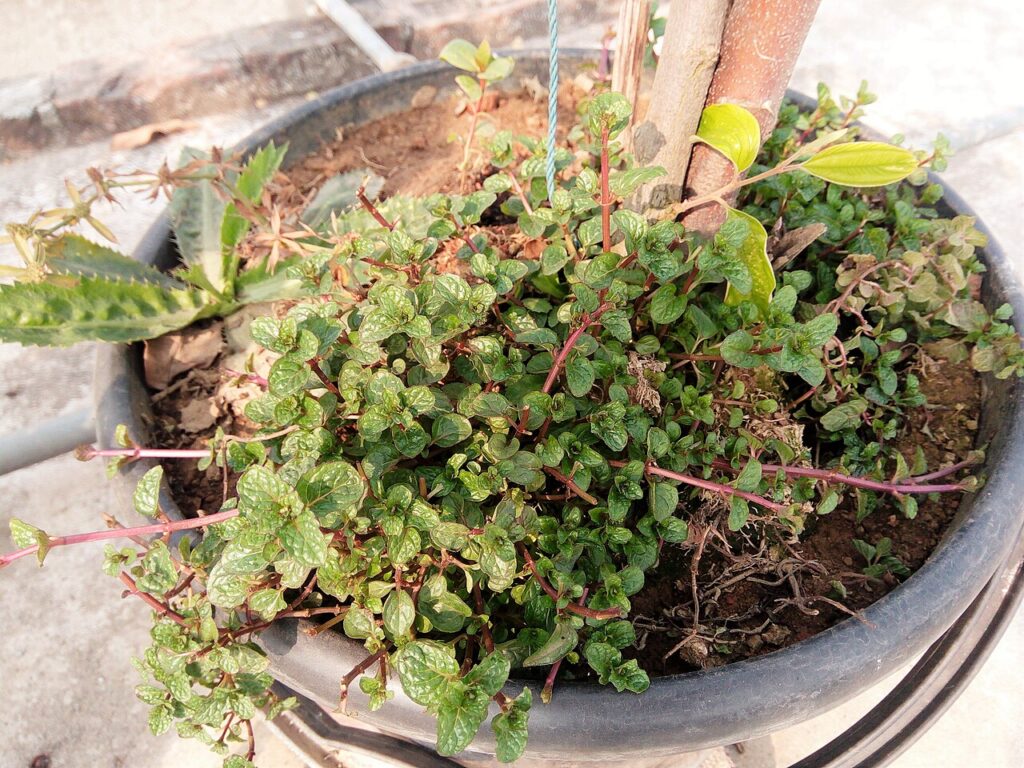
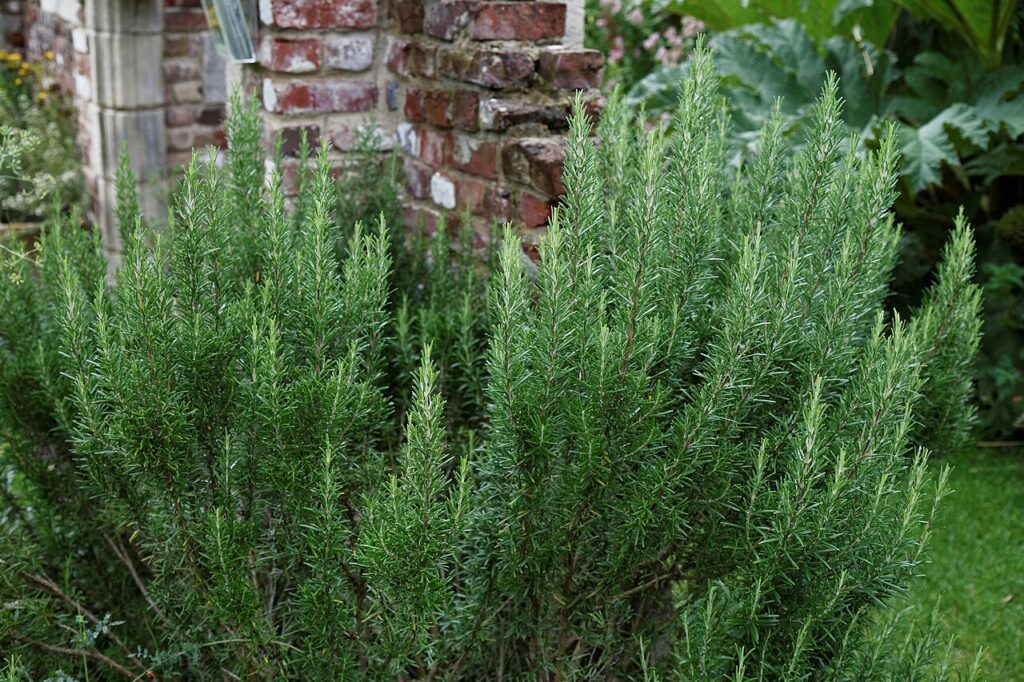
2. Rosemary
Rosemary (Rosmarinus officinalis) is strong and woody, perfect with roasted vegetables, chicken and potatoes.
How to use it: chop the needles finely and add early in cooking.
Tip: a little goes a long way.
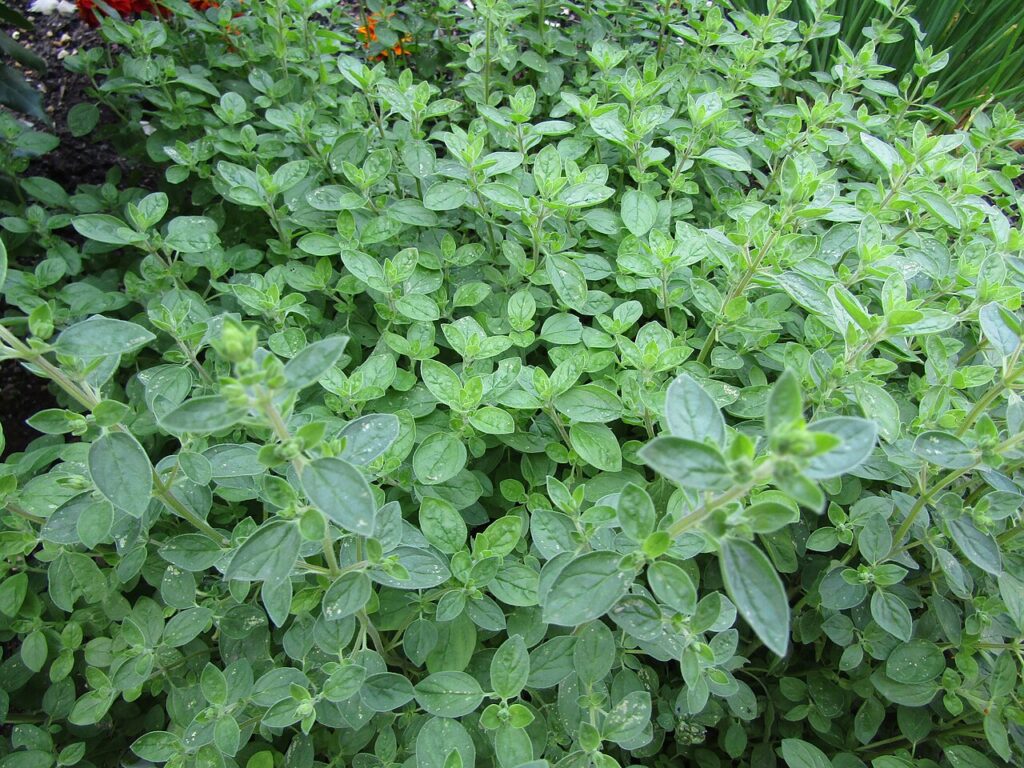
3. Oregano
Oregano (Origanum vulgare) gives pizza and sauces their classic savory taste. Dried oregano is often stronger than fresh.
How to use it: rub dried leaves between your fingers before adding.
Tip: it pairs well with garlic and lemon.
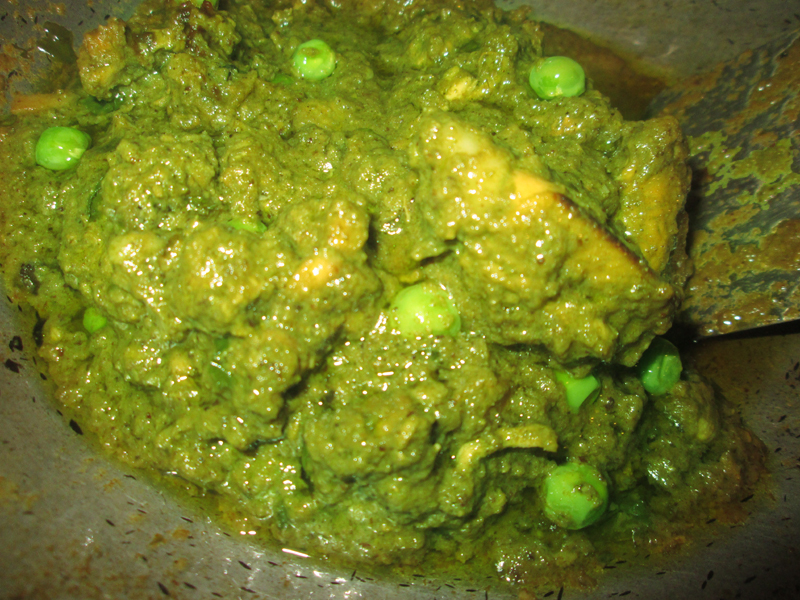
4. Cilantro (coriander)
Cilantro (Coriandrum sativum) lifts rice, beans, soups and salads. Some people find its taste soapy, which is a genetic trait.
How to use it: add fresh leaves and soft stems at the end.
Tip: the roots are a treasured base in Thai pastes.
5. Lemongrass
Lemongrass (Cymbopogon citratus) brings a citrus fragrance to soups, curries and teas without needing salt to wake up the dish.
How to use it: bruise the stalk, simmer it in the pot and remove before eating.
Tip: freeze extra stalks for months.

Myth or fact?
Try this week
- Taste before you add salt.
- Finish one dish with a handful of fresh herbs.
- Squeeze lemon or lime over soup instead of extra salt.
- Plant one pot of basil or mint on a windowsill.
Sources
This article is for general information and is not medical advice. Talk to your doctor before using herbs, especially if you are pregnant, nursing, or take medicine.
Edited by Rehel Jemera Sausa


