

Chiang Khan is a small town on the south bank of the Mekong River, in Thailand's Isaan region, where old wooden houses line the water and the days move slowly. Across the river lies Laos, and the view changes with the light from morning mist to golden sunset. This guide explains the town's story, what to see and how to enjoy it without the rush.
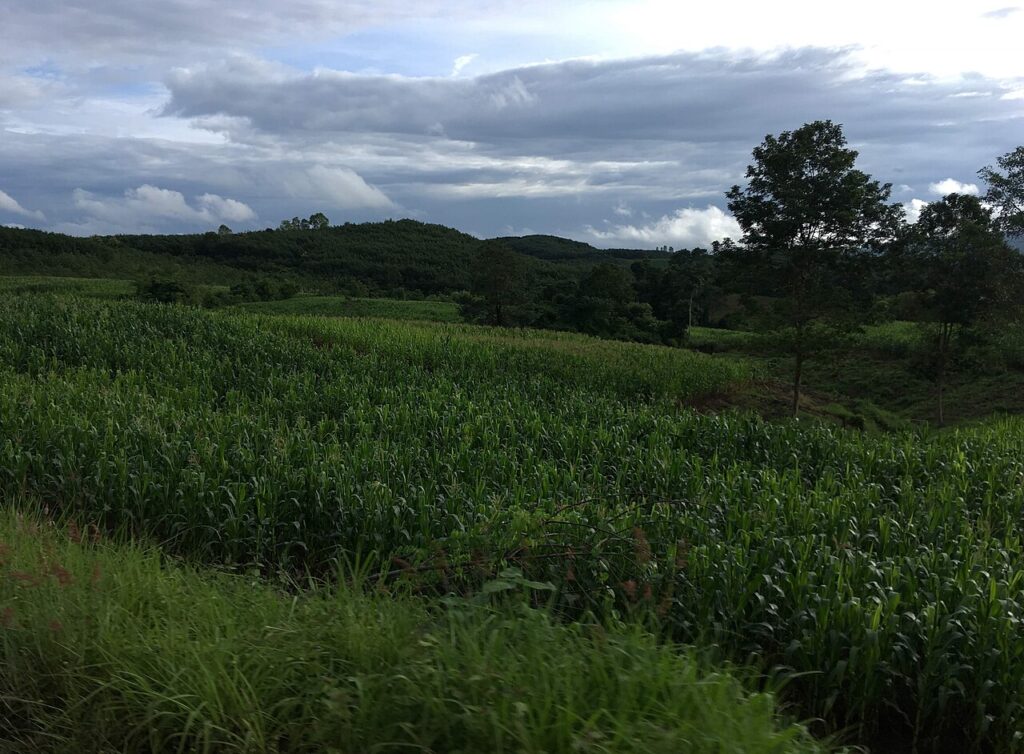
A small town on the great river
Chiang Khan lies in northern Loei Province, on the Mekong River, which here forms the border between Thailand and Laos. The town is compact, with two streets running parallel to the river for a couple of kilometers: Chai Khong, the riverside lane where most guesthouses and cafes stand, and Sri Chiang Khan, the main road behind it. You can walk the whole town in an hour, but it is much more rewarding to take an afternoon.
The rhythm here is gentle. Shops open slowly, people sit on their porches and the river moves quietly past. If you enjoy places where little happens, you will like Chiang Khan.
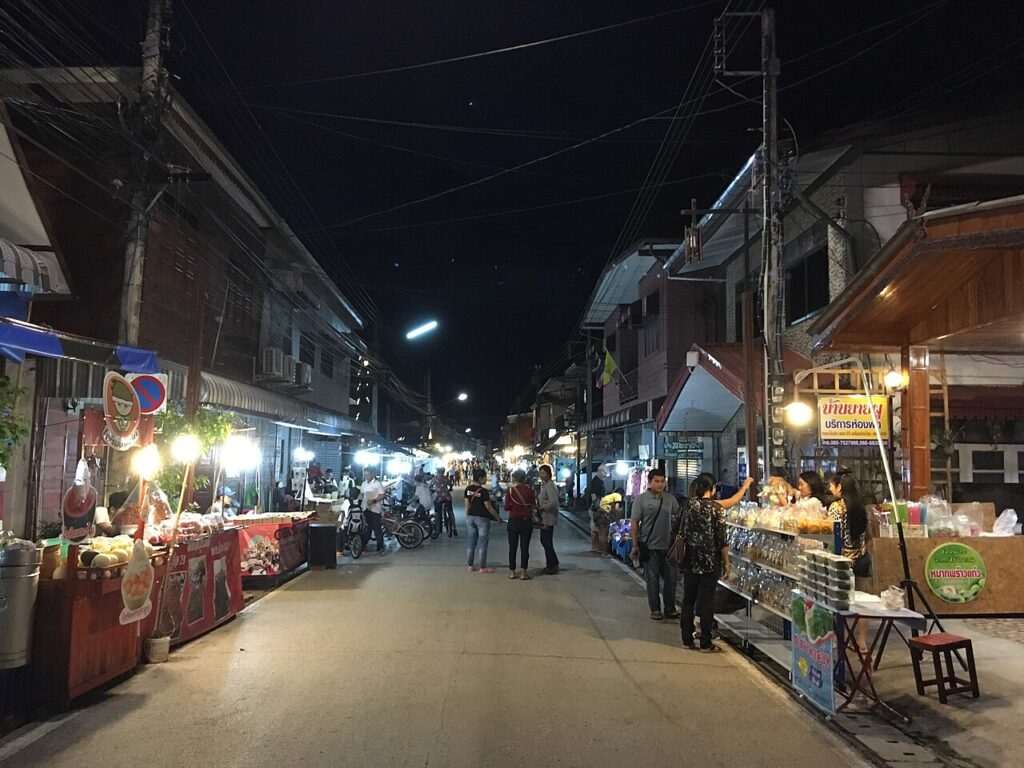
A short history
The area was settled in the late nineteenth century by Lao villagers, after the French colonized Laos. Later, migrants from Vietnam and China arrived as well. Because of its position on the river, the town became a trading hub, and people on both banks exchanged goods, language and culture. Fishing in the Mekong was once its largest source of income.
That trade came to an end in 1975, when political change in Laos cut economic ties across the river. The town declined and was almost forgotten, until it was rediscovered by visitors in the early twenty-first century. Today it draws hundreds of thousands of Thai and foreign travelers each year, and a gentle respect for its past helps keep it special.
The old wooden houses
The charm of Chiang Khan is in its old wooden buildings, many of them shophouses with carved eaves, shuttered windows and long verandas. Many now serve as guesthouses, cafes and small shops, but they are still family homes in many cases. Walk slowly along Chai Khong Road and look at the details, such as painted signs, hanging lamps and flower pots. Ask before you step onto a porch, and keep your voice low in the evening when families are resting.
Wat Si Khun Mueang
Wat Si Khun Mueang is often described as the oldest and best-known temple in town. It is a quiet place for a morning or late afternoon visit, with a calm courtyard and simple buildings. Dress modestly, remove your shoes where required and speak softly. Local people come here to pray and make offerings, so please treat it as a place of worship rather than a backdrop for photographs.
Kaeng Khut Khu
About five kilometers downstream lie the rapids and rocky shallows of Kaeng Khut Khu. You can reach them by bicycle, boat or tuk-tuk, and the ride along the river is part of the pleasure. The water level changes with the seasons, so what you see depends on when you go. Ask your guesthouse about current conditions, avoid walking on wet rocks and keep children close to you.
Sunsets and mist
The best time of day in Chiang Khan is the end of the afternoon, when the light turns gold and the river shines. Many visitors sit on the bank or at a riverside cafe and watch the sun go down over the Mekong. In the cool season, the early morning can bring a soft mist that hangs over the water. Both hours reward patience. Bring a light layer, since the river breeze can feel cool.
Morning offerings and respect
In many Thai towns, residents offer food to monks in the early morning. If you want to watch, ask your host how visitors may do so politely, keep your distance, stay quiet and never block the monks' path. Do not use a flash, and do not treat the ritual as a performance. If you take part, follow the guidance of local people.
What to eat
The local cuisine is Isaan food, influenced by the flavors of neighboring Laos. Look for sticky rice, grilled meats, spicy salads and herb-rich soups. Many shops and restaurants line the riverside road, and some open late in the afternoon, so plan your dinner accordingly. Ask for less chili if you prefer, share dishes and try one thing you do not recognize.
Where to stay
Dozens of guesthouses and small hotels are available, especially along Chai Khong Road. Wooden buildings are lovely but can be thin-walled and noisy on busy nights, so ask your host about the room, air conditioning and parking before you book. In the cool season, weekends fill quickly and the street is crowded with day visitors, mostly from Thailand, so a weekday stay is quieter.
Getting there
Day and night buses run to Chiang Khan from Bangkok, and many visitors travel by car. The nearest train station is at Nong Khai, with onward buses to the town. Arrive in daylight if you can, because the last stretch of road can be dark and the town is easiest to enjoy when you can see the river.
A note about the border
Foreigners cannot cross into Laos from Chiang Khan. Foreign travelers usually cross at Nong Khai, where the Thai-Lao Friendship Bridge is, and rules at other crossings change, so check current requirements. The nearest immigration office can advise on visa extensions. Plan your route in advance so you are not surprised, and check current rules before you travel.
A slow day in Chiang Khan
- Early morning: walk along the river in the mist and watch the town wake up.
- Breakfast: eat at a small cafe and talk with the owner.
- Late morning: visit Wat Si Khun Mueang while the air is cool.
- Afternoon: rest in the shade, then ride to Kaeng Khut Khu.
- Evening: sit by the river for sunset and enjoy a simple dinner.
Visiting kindly
Chiang Khan is a living town, not a stage set. Keep your voice low at night, take your rubbish with you, and ask before photographing people or their homes. Do not block narrow lanes for pictures, and buy from local shops where you can. A visitor who is patient and polite is always welcome.
When to go and what to expect
The cool season, from about November to February, is the most popular time, with comfortable mornings, clear skies and a breeze off the river. It is also the busiest, especially on weekends and holiday periods, when visitors from across Thailand fill the guesthouses. The hot season, from roughly March to May, is quieter but can feel uncomfortable by midday. The rainy season, from about June to October, turns the hills green and raises the river, and it can be a peaceful time to visit if you do not mind an occasional shower. Whatever the season, the town is at its best in the early morning and at the end of the afternoon.
Getting around on two wheels or on foot
The town is small enough to walk, but many visitors rent a bicycle to follow the river road toward the rapids. The route is mostly flat, and the traffic is light outside holiday weekends. Start early, carry water, wear a hat and pull over to let cars and motorbikes pass. If you prefer to be driven, your guesthouse can arrange a tuk-tuk or a small truck. It is worth agreeing on the price and the return time before you set out, so that the afternoon stays relaxed.
Traveling with children and older relatives
Chiang Khan suits family trips because everything is close and nothing is hurried. Children can watch the boats from the bank, walk along the riverside lane and enjoy a simple meal without a long journey. For older relatives, choose a guesthouse with a ground-floor room, since wooden buildings often have steep stairs. Ask about handrails, bathroom steps, shade and air conditioning before you book, and plan a rest in the middle of the day.
Little ways to support the town
Small choices make a difference in a place this size. Buy snacks and drinks from family-run stalls, choose a locally owned guesthouse, carry a reusable water bottle and a cloth bag, and keep some small change for temple donations and market purchases. Ask prices politely, say thank you in Thai, and leave your room and the street as you found them. A town like this stays gentle only when its visitors help to keep it that way.
Photographing the river with care
The light on the Mekong is lovely in the early morning and again before sunset. Be patient, and avoid blocking narrow lanes or porches while you set up a shot. Ask before photographing people, especially monks, children and shop owners, and check local rules before flying a drone. Some of the best pictures are the quiet ones: a row of shutters, a bicycle against a wall, the river turning pink as the day ends.
What to remember
Chiang Khan does not offer a long list of sights, and that is the point. It rewards a slow pace, a willingness to sit by the water and a little curiosity about the people who live there. Leave room in your plans for an afternoon with nothing to do.
Find it on the map
- Check the weather and river conditions before heading to the rapids.
- Book ahead for cool-season weekends, or choose a weekday stay.
- Remember that you cannot cross into Laos from Chiang Khan.
- Bring a light layer for river breezes in the evening.
- Check the weather and any local news the day before, and read recent Google Maps reviews for current conditions.
- Carry water, sun protection and small change, and wear comfortable shoes.
- Dress modestly for temples and shrines: shoulders and knees covered.
Take your time. Do not hurry from one stop to the next. Sit down, look slowly, and let yourself appreciate what is in front of you. A place seen slowly is remembered for much longer.
Edited by Rehel Jemera Sausa