

Jet lag is the tired, foggy feeling that comes when your body clock is out of step with the local time. It cannot always be avoided, but a few gentle habits can make it milder and shorter. This guide is general travel advice, not medical advice, so if you have a health condition, speak to your own doctor first.

What jet lag really is
Your body has an internal clock that tells it when to sleep, eat and be alert. When you cross several time zones quickly, your clock stays on the old time for a while, and you feel sleepy at the wrong hours and awake in the middle of the night. Most people notice it more after traveling east than west, and the more time zones you cross, the longer it usually takes to settle.
A common rule of thumb is that it takes about a day to adjust for each time zone crossed, though this varies widely from person to person. Try not to judge yourself for feeling slow. It is a normal result of a long journey.
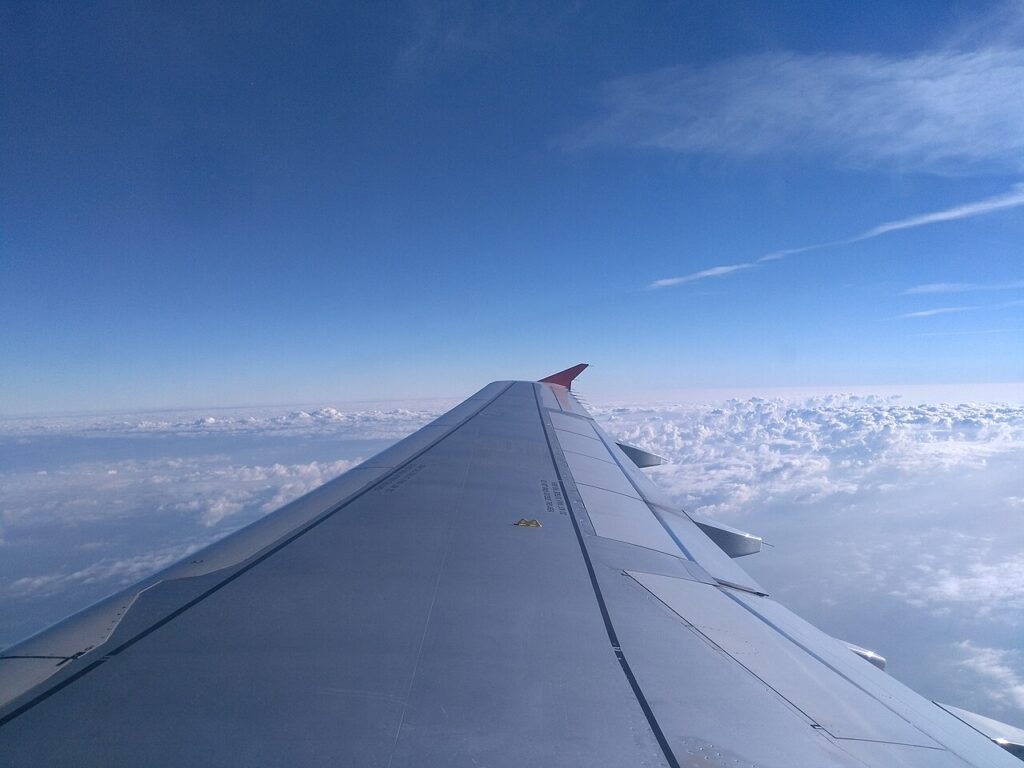
Before you leave
A little preparation helps. If you can, begin to shift your sleep a little earlier or later in the days before the flight, in the direction of your destination. Even an hour of change can help.
- Sleep well Try not to start your trip already tired. Finish packing a day early.
- Shift slowly Move bedtime by half an hour or an hour each day if it fits your life.
- Plan arrival If possible, avoid a schedule that makes you drive or make decisions right after landing.
- Prepare small comforts Pack an eye mask, earplugs, a light scarf and a refillable bottle.
On the plane
During a long flight, small habits make a difference. Set your watch to the destination time as soon as you board, and begin to think in that time. If it is night where you are going, try to rest. If it is day there, try to stay awake for some hours.
- Drink water regularly, and take it slowly if the flight is long.
- Limit alcohol and heavy meals, which can make sleep worse.
- Stand up and walk along the aisle now and then, and stretch your legs and shoulders in your seat.
- Wear loose, comfortable clothes and warm socks.
- Use an eye mask and earplugs if you plan to sleep.
When you arrive
The first day matters most. Try to follow the local schedule as soon as you land. Go outside in the daylight, because natural light helps your body clock to reset. Eat meals at local times, even if you are not very hungry, and keep your activities gentle.
If you are very sleepy during the day, a short nap of twenty or thirty minutes is usually better than a long one. Set an alarm so you do not sleep through the afternoon. Go to bed at a reasonable local time in the evening, and keep your room dark and cool.
Gentle habits for the first days
- Plan a light first day with a walk, a simple meal and an early night.
- Avoid scheduling important meetings or long drives soon after landing.
- Drink water, and have caffeine only in the morning.
- Be patient if you wake in the middle of the night. Read quietly or rest without looking at screens.
- Spend time outdoors in the morning light for a few days.
If you are traveling with children or older relatives
Children and older travelers may need extra time to adjust. Build rest into the first days, keep meals regular, and avoid a packed itinerary. Bring familiar comforts such as a favorite blanket or a small snack. A calm and kind mood helps everyone, and it is better to see one place well than three in a rush.
A short note on medicines and supplements
Some travelers use sleep aids or supplements to cope with jet lag. These are a personal and medical decision, and they may interact with other medicines or health conditions. Please ask a doctor or pharmacist for advice before using them, especially if you are older, pregnant, or taking regular medicines.
A calm mindset
Part of coping with jet lag is accepting it. You may feel foggy, you may wake at three in the morning, and you may find yourself hungry at odd times. This is temporary. If you plan a light first day and treat yourself kindly, you will usually find your rhythm within a few days.
A simple plan for a long journey
It can help to think of your trip in three small stages: the day before, the flight itself and the first two days after landing. At each stage, ask one question. Before leaving, ask what would make tomorrow easier. On the plane, ask what would help my body rest. After landing, ask what does the local clock need from me right now. Small answers to these three questions are usually enough.
Eastward and westward flights
Many travelers find that flying east is harder than flying west, because it asks the body to go to sleep earlier than it wants to. When you fly east, morning light is especially helpful. Try to be outside soon after you wake, and avoid bright light late in the evening. When you fly west, evening light helps you stay up a little later, and an early night will usually follow naturally.
None of this needs to be exact. The aim is to nudge your body in the right direction, not to run a perfect schedule. If you land and have to improvise, simply follow local daylight and local mealtimes as best you can.
Choosing a gentle arrival day
If you can choose your flight, look for one that lands in the afternoon or early evening. This gives you time to reach your room, eat a simple meal and go to bed at a reasonable hour. A very early morning arrival can feel exhausting, particularly if your room is not ready. In that case, leave your bags at the hotel, take a slow walk, drink water, and rest in a quiet cafe until check-in.
It is also kind to yourself to keep the first day free of fixed commitments. Many people book a tour for the very first morning and then regret it. Give yourself at least one soft day.
What helps older travelers and children
Older relatives may need longer to adjust, and children can become emotional when they are tired. In both cases, regular meals, plenty of water and a predictable routine make a big difference. Carry a small snack, a familiar comfort item and a light layer for the cool air on the plane. Be patient with each other, and allow extra time to move through airports.
Light, food and sleep
Light is one of the strongest signals for your body clock. After you arrive, spend time outdoors in daylight, and avoid bright screens late in the evening. Eat meals at local times, even if you are not very hungry, and keep them light at first. Try to sleep at the local bedtime, and keep your room dark and cool. If you wake in the night, rest quietly rather than checking your phone.
Napping wisely
A short nap can help, but a long one can make the first night harder. If you feel very tired in the afternoon, rest for twenty or thirty minutes and set an alarm. Choose a time before late afternoon, and get up and walk in the light afterward. If you can stay awake until a reasonable evening hour, your body will thank you.
A calm first day
Plan very little for the first day. A gentle walk, a simple meal and an early evening are better than a long tour. Avoid driving or making important decisions if you are very tired. Drink water, step outside for daylight and let yourself feel slow. Many travelers find that a quiet first day makes the second and third much more enjoyable.
Coming home
Jet lag can follow you home as well. Give yourself a day or two of rest before returning to work, if possible, and keep the same gentle habits: daylight in the morning, regular meals and an early bedtime. Our guide to traveling with elderly parents includes more ideas for pacing a trip, which are useful when everyone is tired.
A last word on jet lag
Some tiredness is simply part of crossing the world. Be kind to yourself, keep your plans light and let your body catch up at its own pace. In a few days you will feel like yourself again.
- Check your own health needs and talk to a doctor before using any sleep aids or supplements.
- Pack an eye mask, earplugs, a refillable bottle and a light layer for the plane.
- Plan a light first day after you land.
- Check the weather and any local news the day before, and read recent Google Maps reviews for current conditions.
- Carry water, sun protection and small change, and wear comfortable shoes.
- Dress modestly for temples and shrines: shoulders and knees covered.
Take your time. Do not hurry from one stop to the next. Sit down, look slowly, and let yourself appreciate what is in front of you. A place seen slowly is remembered for much longer.
Edited by Rehel Jemera Sausa