Every teacher and student knows the fog of a long week. No herb gives you a new brain, but several plants have been tested for attention and memory. Here is what the research suggests, in plain words, and where the evidence is thin.
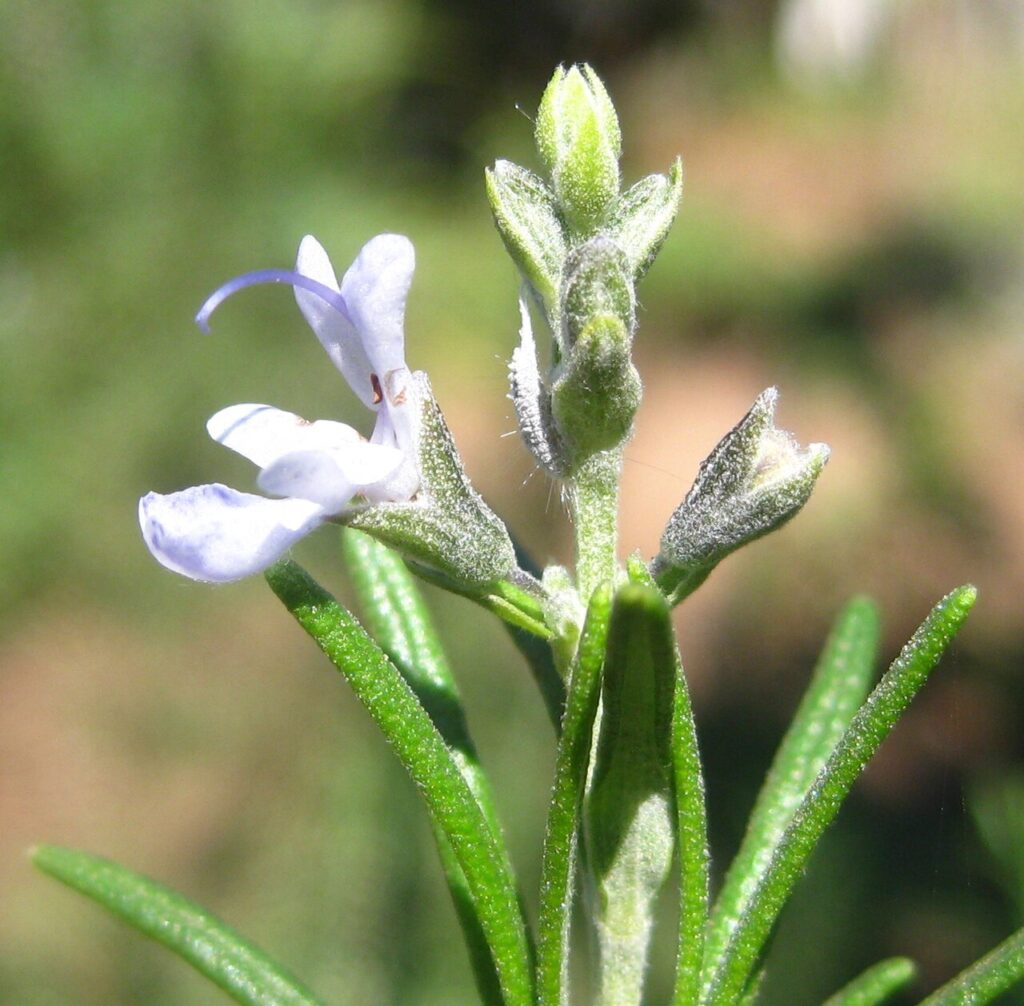
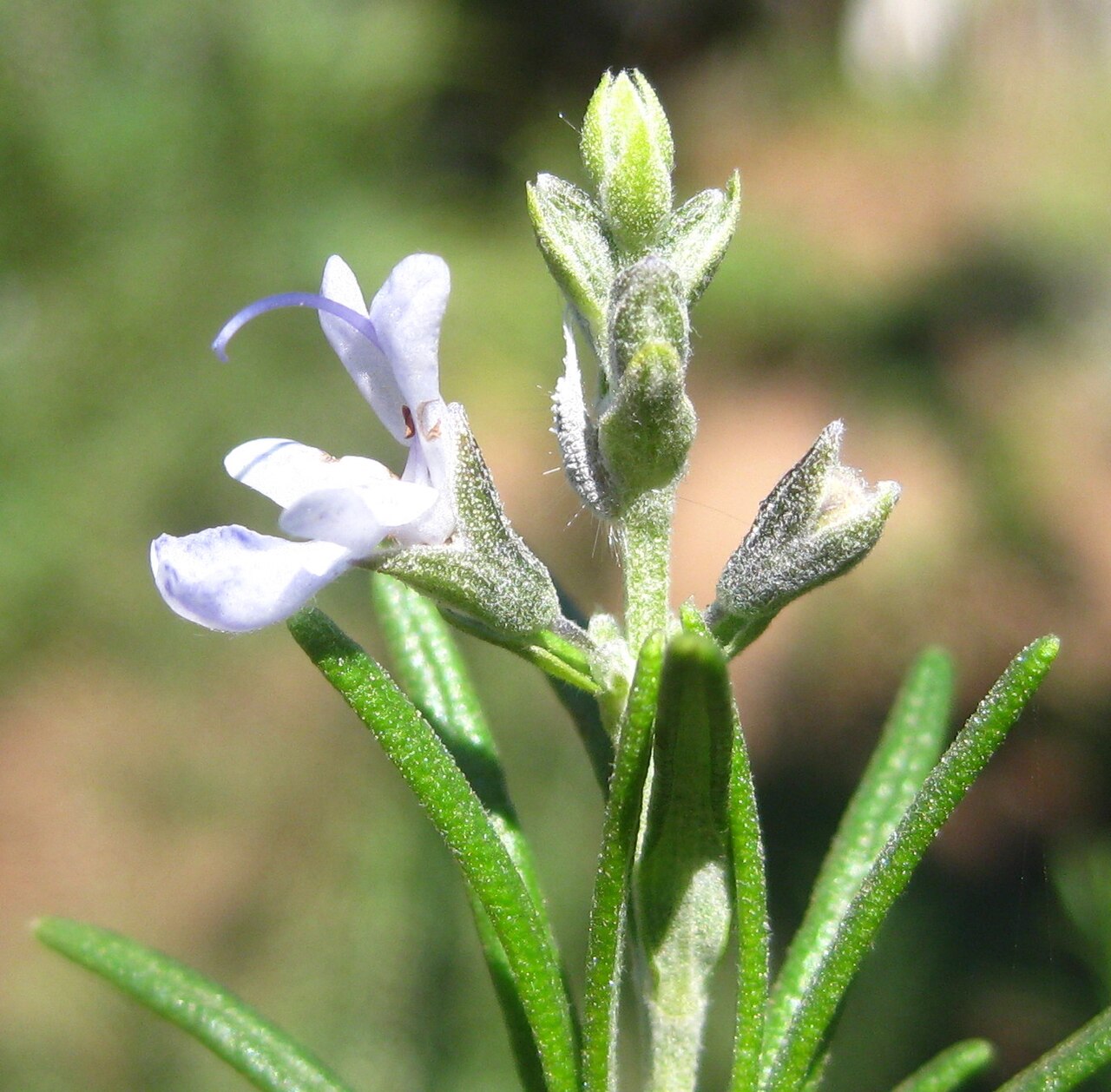
1. Rosemary
Rosemary (Rosmarinus officinalis) has long been linked with remembering. In a study of healthy adults, those who worked in a room scented with rosemary oil did better on memory tests than those in an unscented room.
How to use it: keep a pot on your desk and rub the leaves, or cook with it.
Be careful: do not swallow the essential oil.

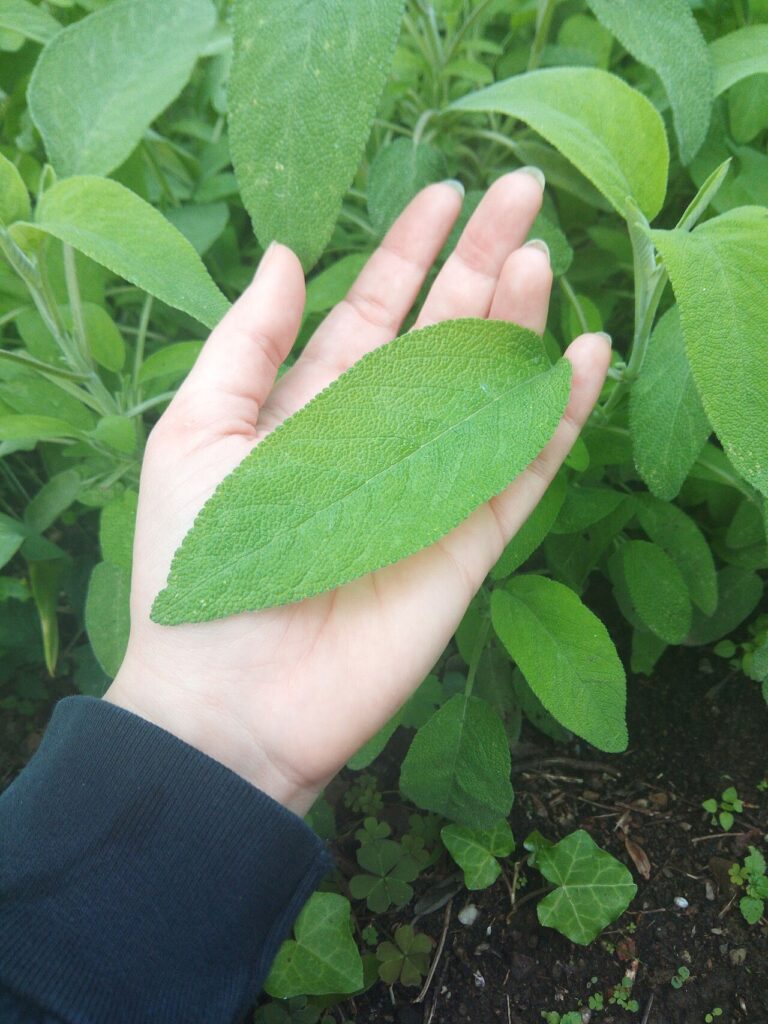
2. Sage
Sage (Salvia officinalis) contains compounds that act on the brain chemical acetylcholine. In a small trial, healthy young adults who took sage extract performed better on memory tasks and felt more alert.
How to use it: as a tea or in cooking.
Be careful: concentrated sage oil can be toxic, and large amounts are not advised in pregnancy.
3. Bacopa
Bacopa (Bacopa monnieri) is an Ayurvedic herb. A review of trials found that taking it for 12 weeks or more improved some measures of memory speed, though it did not help everything.
How to use it: a standardised capsule with food, for at least 12 weeks.
Be careful: it can cause an upset stomach and may interact with thyroid and some other medicines.

4. Ginkgo
Ginkgo (Ginkgo biloba) is a popular memory supplement, but studies on it are inconsistent. A Cochrane review found no reliable benefit for dementia, though it was safe in the trials reviewed.
How to use it: only if your doctor agrees, as a standardised extract.
Be careful: ginkgo can increase bleeding risk. Do not combine it with blood thinners.

5. Green tea
Green tea (Camellia sinensis) gives gentle caffeine along with the calming amino acid theanine. Many people find it supports steady attention without the jitters of coffee.
How to use it: one to three cups in the morning and early afternoon.
Be careful: caffeine can disturb sleep, and green tea can reduce iron absorption when taken with meals.

Myth or fact?
Try this week
- Sleep seven to nine hours before big days.
- Take a ten-minute walk before study or planning.
- Keep a rosemary plant on your desk.
- Drink green tea instead of a second coffee.
Sources
- Moss M, et al. Aromas of rosemary and lavender essential oils differentially affect cognition and mood. Int J Neurosci. 2003.
- Kennedy DO, et al. Effects of cholinesterase inhibiting sage (Salvia officinalis) on mood, anxiety and performance on a psychosocial stressor battery. Neuropsychopharmacology. 2005.
- Pase MP, et al. The cognitive-enhancing effects of Bacopa monnieri: a systematic review of randomized, controlled human clinical trials. J Altern Complement Med. 2012.
- Birks J, Grimley Evans J. Ginkgo biloba for cognitive impairment and dementia. Cochrane Database Syst Rev. 2007.
This article is for general information and is not medical advice. Talk to your doctor before using herbs, especially if you are pregnant, nursing, or take medicine.
Edited by Rehel Jemera Sausa