
Strong teeth and healthy gums come from brushing twice a day with fluoride toothpaste, cleaning between teeth, eating less sugar and visiting the dentist. Plants can be pleasant helpers for fresh breath and a calm mouth. They are never a replacement.

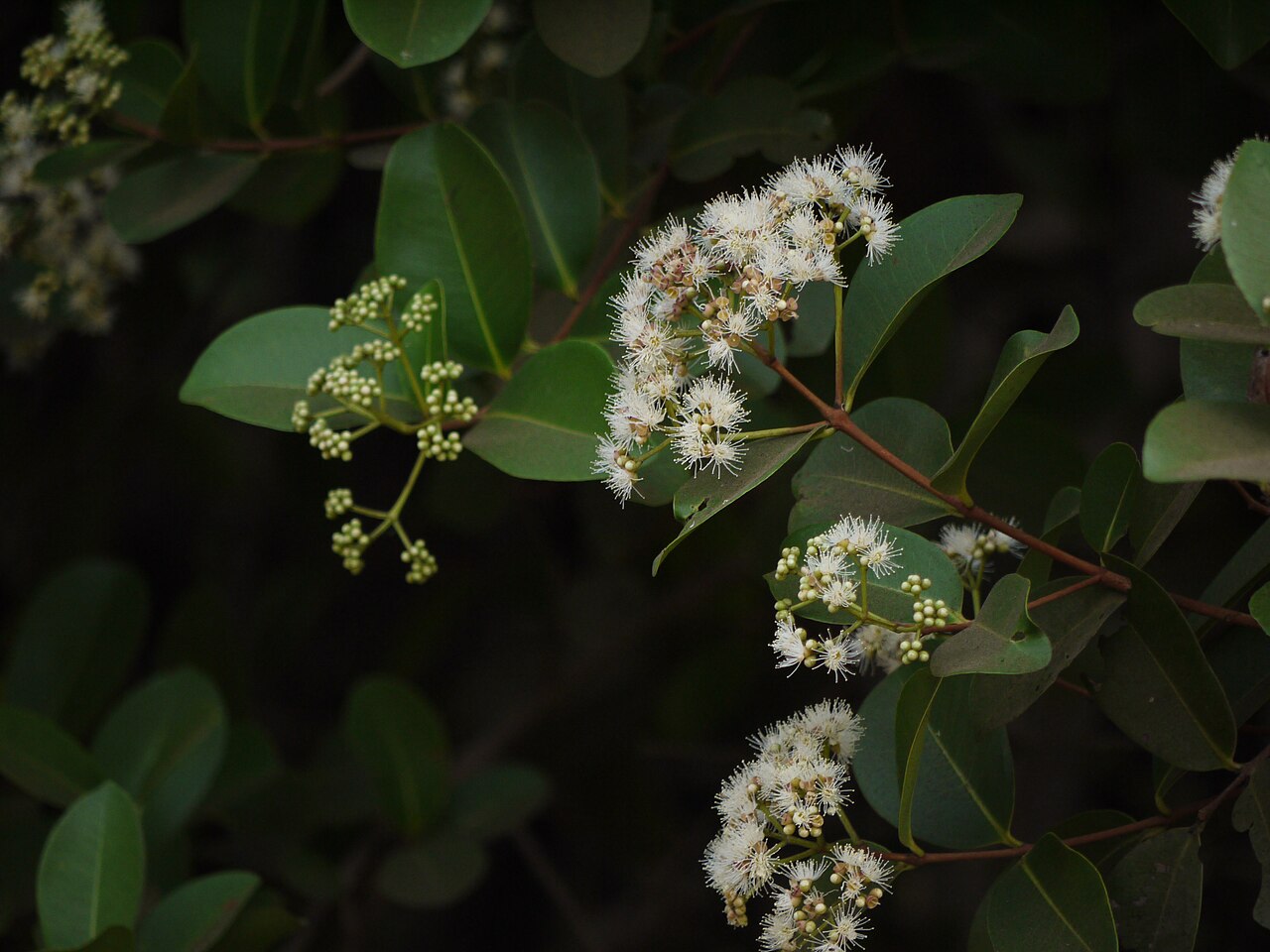
1. Clove
Clove (Syzygium aromaticum) contains eugenol, a compound used by dentists in small amounts. Clove has long been used to dull toothache for a short time until you can see a dentist.
How to use it: hold one whole clove gently against the sore tooth for a few minutes.
Be careful: clove oil is strong and can burn the gums. Do not give it to children.
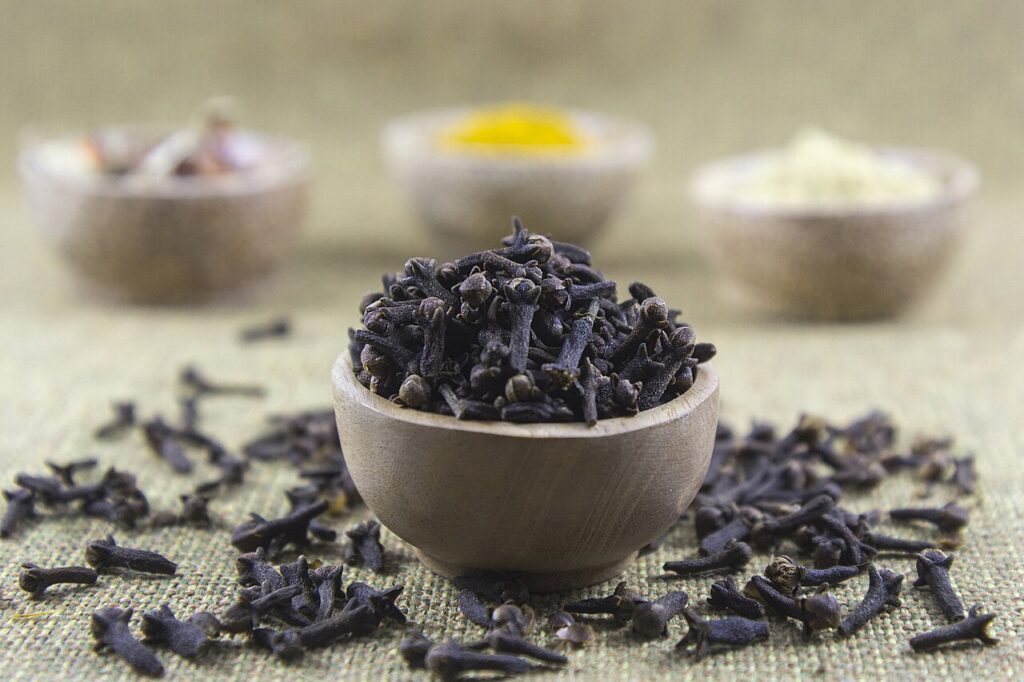
2. Aloe vera
Aloe vera (Aloe vera) has been tested as a mouthwash. A trial in children found an aloe vera mouthwash reduced plaque and gum inflammation. Another trial tested aloe gel for the painful mouth condition oral lichen planus.
How to use it: a pure aloe mouthwash product, as directed.
Be careful: do not swallow it, and avoid it if allergic to aloe.
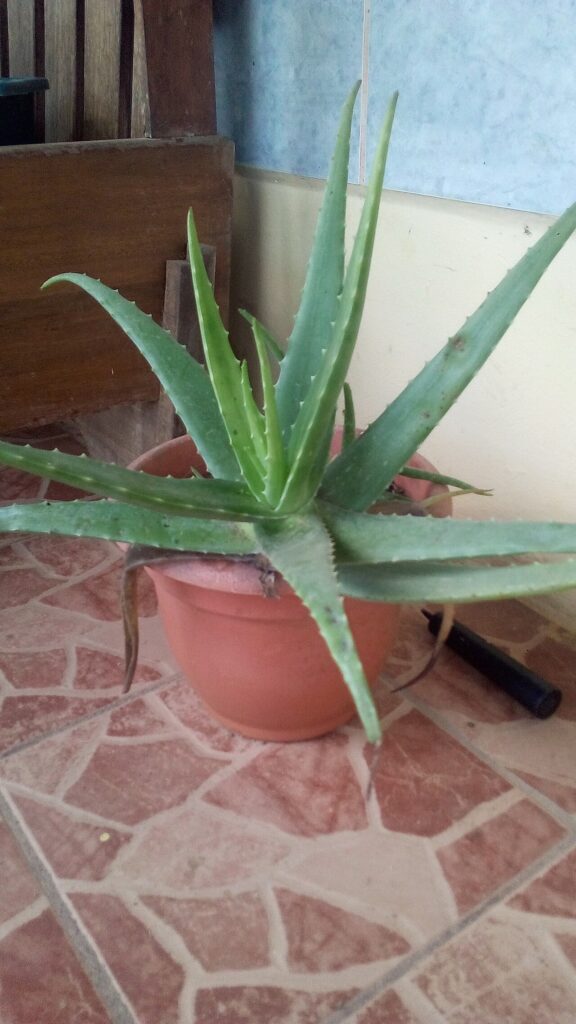
3. Green tea
Green tea (Camellia sinensis) contains compounds that may reduce bacteria in the mouth. Unsweetened tea is also kinder to teeth than soft drinks.
How to use it: drink it unsweetened, or rinse with cooled tea.
Be careful: tea can stain teeth over time.
4. Sage
Sage (Salvia officinalis) has a traditional use as a gargle for a sore mouth and throat.
How to use it: steep a teaspoon of dried leaves in hot water, cool, and gargle. Spit it out.
Be careful: do not swallow large amounts, and avoid in pregnancy.

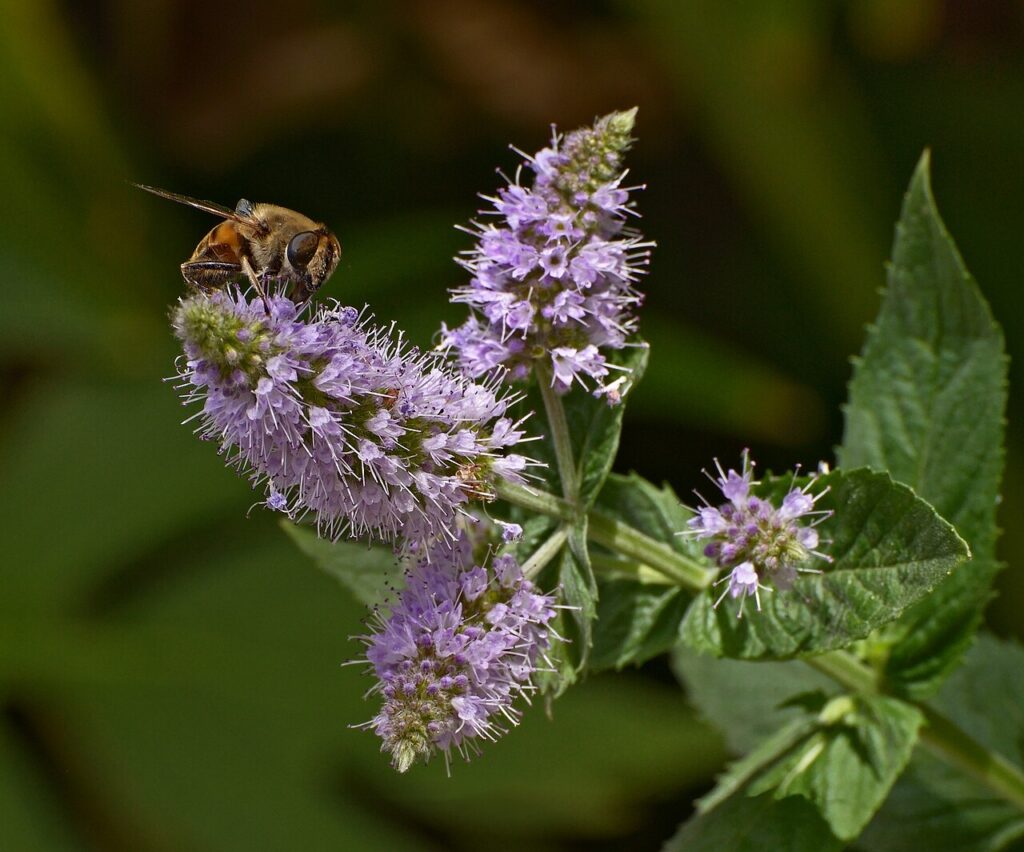
5. Peppermint
Peppermint (Mentha piperita) freshens breath, though it only covers odor. Bad breath usually comes from the tongue, gums or stomach.
How to use it: fresh leaves, tea, or a sugar-free mint.
Be careful: avoid peppermint oil near children’s faces.
Myth or fact?
Try this week
- Brush twice a day with fluoride toothpaste.
- Floss or use interdental brushes once a day.
- Brush your tongue gently.
- Book a dental checkup if it has been over six months.
Sources
This article is for general information and is not medical advice. Talk to your doctor before using herbs, especially if you are pregnant, nursing, or take medicine.
Edited by Rehel Jemera Sausa