Malacca is a small port city on the west coast of Malaysia whose old town was inscribed as a UNESCO World Heritage Site in 2008. Portuguese, Dutch, British, Malay, Chinese and Indian influences are all visible in a few compact streets, which makes it a good place for an unhurried walk.

A port with a long memory
Malacca grew in the early fifteenth century as a trading port under Parameswara, a prince who is traditionally regarded as its founder. The city became one of the most important ports in Southeast Asia, where merchants from China, India, the Arab world and the Malay islands met. In 1511 it was captured by the Portuguese, later passing to the Dutch and then the British, and each period left its mark on the town.
Together with George Town in Penang, the historic center of Malacca was listed by UNESCO in 2008 as an example of a living multicultural trading town on the Strait of Malacca. The word living is important. People still live and work in the old streets.

The red square
Many visitors begin at the Dutch Square, a plaza surrounded by red buildings. The Stadthuys, which dates from the Dutch period, and Christ Church stand beside a fountain and a clock tower. The red color is distinctive, and the square is a good place to orient yourself. It can be crowded, with decorated trishaws and music playing, so visit early in the morning for a quieter view.
Up the hill
Behind the square, a path leads up St Paul's Hill to the ruins of a church from the Portuguese period. At the base of the hill stands A Famosa, a gate that is all that remains of the Portuguese fortress. The hill offers a view over the town and the sea, and the shaded walk is pleasant in the cool of the morning. Wear shoes with good grip, as the old stones can be uneven.
- Start early Reach the square before the crowds and the heat.
- Climb the hill Walk slowly up to the ruins and enjoy the view.
- Wander down Follow the lane toward the museums and quiet streets.
- Rest Have a drink in a cafe and plan the rest of the day.
The river and the shophouses
A small river runs through the town, and its banks are lined with old shophouses, murals and cafes. A walk along the water in the late afternoon is one of the pleasures of Malacca. You will see colorful buildings, bridges, small boats, and in the evening, lights reflecting in the water.
Jonker Street, in the old Chinese quarter, is known for its shops, antique stores and food. On weekend nights it becomes a busy night market. If you prefer a quieter experience, visit during the day, when you can explore the lanes and enter the old temples and clan houses.
Temples and the many communities
One of the pleasant surprises of Malacca is the closeness of different places of worship. Chinese temples, a mosque and a Hindu temple are within a short walk of each other, which reflects the mix of communities who have lived in the town. Dress modestly, remove your shoes where required, and behave quietly.
Food worth trying
Malacca has its own food culture. Peranakan, or Nyonya, cuisine blends Chinese and Malay flavors and has become one of the best-known specialties of the town. There are also Portuguese-influenced dishes, Chinese noodles and Malay desserts. Start with small portions and take your time. If you are a vegetarian or have dietary restrictions, ask politely and look for places with clear menus.
Getting around
The central historic area is compact, and the easiest way to see it is on foot. The sun is strong, so carry water, wear a hat and take breaks in shady cafes. Decorated trishaws are a fun short ride, but the prices are set by the operators, so agree on a fare before you board.
A calm itinerary
A single day can be enough for a first visit, but two days is more relaxing. Spend the first morning on the square and hill, the afternoon in the museums and cafes, and the evening along the river. On the second day, visit the temples, markets and lanes, and finish with a slow dinner.
Respectful travel
The old town is a heritage area where people live. Keep noise low at night, do not block entrances, and dispose of your litter carefully. Ask before photographing people, and thank those who help you.
Museums for a hot afternoon
Malacca has a number of small museums, and they make a good choice for the hottest part of the day because they are cool and quiet. You can learn about the maritime history of the port, the Peranakan community and the colonial periods. Choose one or two rather than many, and give each enough time to read the labels and look at the objects.
Heritage houses and old shophouses
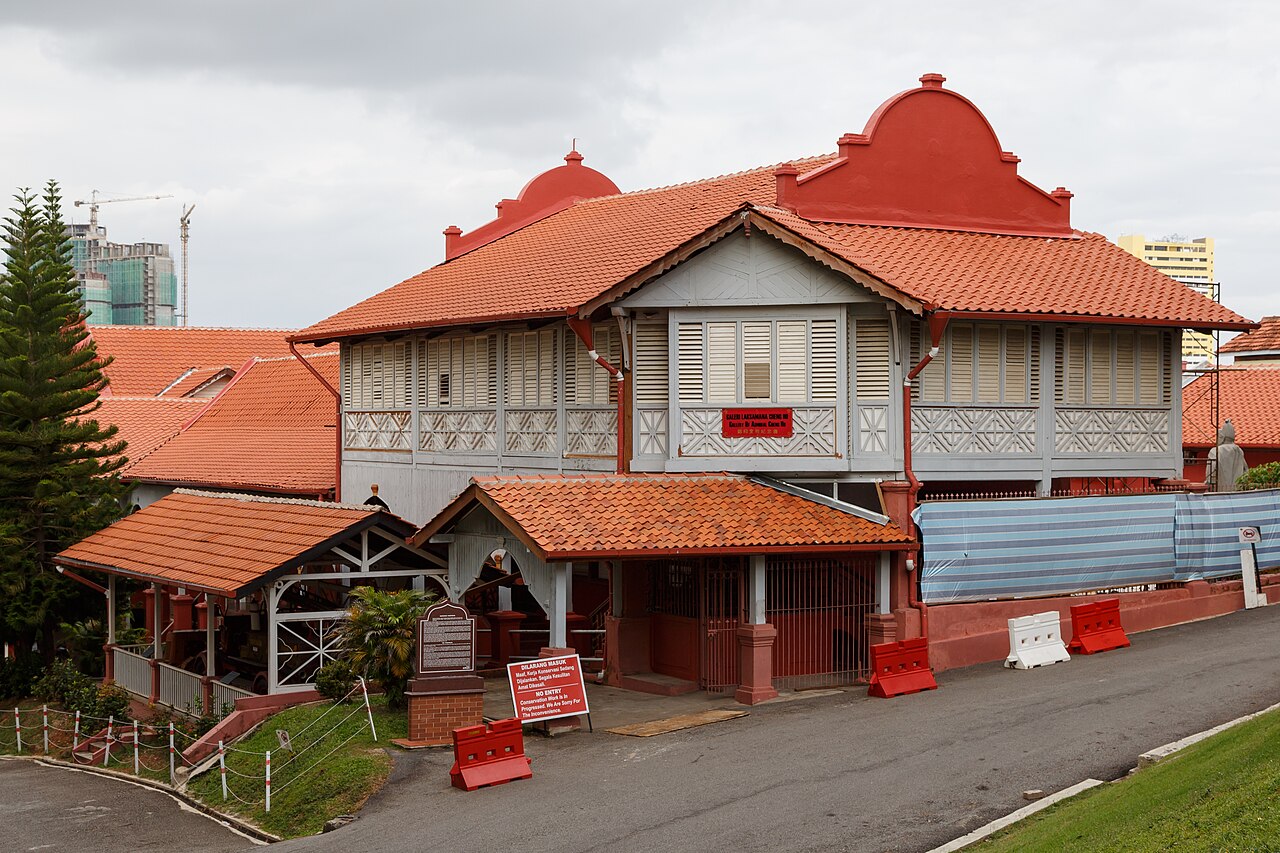
Some of the old merchant houses and shophouses have been preserved and opened to visitors. They are long, narrow buildings with courtyards, carved wood and tiled floors, designed to bring light and air deep into the house. Walking through one, you can imagine the family that lived and worked there. Ask politely before taking photographs inside.
A calm evening
In the evening, the town becomes livelier, with lights, music and food stalls. If you prefer a quiet end to the day, have an early dinner, walk the river path and return to your room before the busiest hours. The town looks beautiful in the first hour after sunset, when the sky still holds a little color.
Heat and the middle of the day
Malacca is hot and humid for much of the year, so plan your walking for the early morning and the late afternoon. Spend the middle of the day in a cool museum, a cafe or your room, and drink water often. Wear light clothes, a hat and comfortable shoes, and carry a small umbrella that works for both sun and rain. A slower pace makes the heat much easier to enjoy.
Traveling with children or older relatives
The old town is compact and mostly flat, which suits families and older travelers. Plan short walks, frequent rests and shaded seats, and consider a short taxi or trishaw ride between longer stretches. Children often enjoy the river, the colorful streets and small museums, while older relatives may prefer a quiet cafe and a gentle walk. Agree on a stop time before you set out.
Weekends and holidays
Malacca is a popular weekend destination, and the old town can become crowded and noisy on Saturdays and public holidays. If you can, visit on a weekday and begin early. If you must go on a weekend, choose quieter side streets, walk the river in the morning and leave busy places for those who enjoy them. Check local notices for festivals and road closures.
Learning from the streets
The old town is as much about daily life as it is about landmarks. Look at signs in several languages, small shrines tucked into shophouse corners, old tiles and carved doors. Ask shop owners about the history of their street, and listen to what they tell you. Many of the best moments come from short conversations with people who live and work here.
A slow two-day plan
On the first day, walk the square and hill in the morning, rest at midday and stroll along the river as the light softens. On the second, visit a museum or heritage house, explore a few temples and finish with an early dinner of local dishes. Leave one hour free each day. Slow travel is not about doing less, but about noticing more.
A last word on Malacca
Malacca rewards unhurried travelers. Its streets hold the stories of many peoples who came to trade, to pray and to stay, and each corner has something to notice. Do not try to see everything. Choose a few places, sit in the shade, taste the food and listen to the sounds of the old town. A short, gentle visit can leave a long and warm memory.
Find it on the map
- Visit the square and hill early to avoid heat and crowds, and wear shoes with good grip on old stones.
- Agree on trishaw fares before you board.
- Dress modestly and remove shoes where needed in temples, mosques and clan houses.
- Check night market days and museum opening hours close to your travel date.
- Check the weather and any local news the day before, and read recent Google Maps reviews for current conditions.
- Carry water, sun protection and small change, and wear comfortable shoes.
- Dress modestly for temples and shrines: shoulders and knees covered.
Take your time. Do not hurry from one stop to the next. Sit down, look slowly, and let yourself appreciate what is in front of you. A place seen slowly is remembered for much longer.
Sources
Edited by Rehel Jemera Sausa