

Most of us know the feeling: a heavy meal, a nervous morning, a bout of bloating. Long before pharmacies, families reached for a pot of herbal tea. Some of these plants now have real studies behind them. Here are five worth knowing, with an honest word on what the evidence shows.

1. Ginger
Ginger (Zingiber officinale) is the best studied herb for nausea. A review of trials in pregnancy found it eased nausea more than placebo, with no sign of harm at normal doses. It also helps many people with motion sickness and a sluggish stomach.
How to use it: steep four or five thin slices of fresh root in hot water for 10 minutes, or add fresh ginger to soup and rice.
Be careful: large amounts can cause heartburn. If you take blood thinners, ask your doctor first.

2. Peppermint
Peppermint (Mentha piperita) relaxes the smooth muscle of the gut. Enteric-coated peppermint oil capsules have been tested in many trials for irritable bowel syndrome, and reviews generally report less pain and bloating. A simple leaf tea is milder but soothing.
How to use it: one cup of tea after meals, or capsules as directed on the label.
Be careful: peppermint can worsen acid reflux, and the oil should not be given to small children.
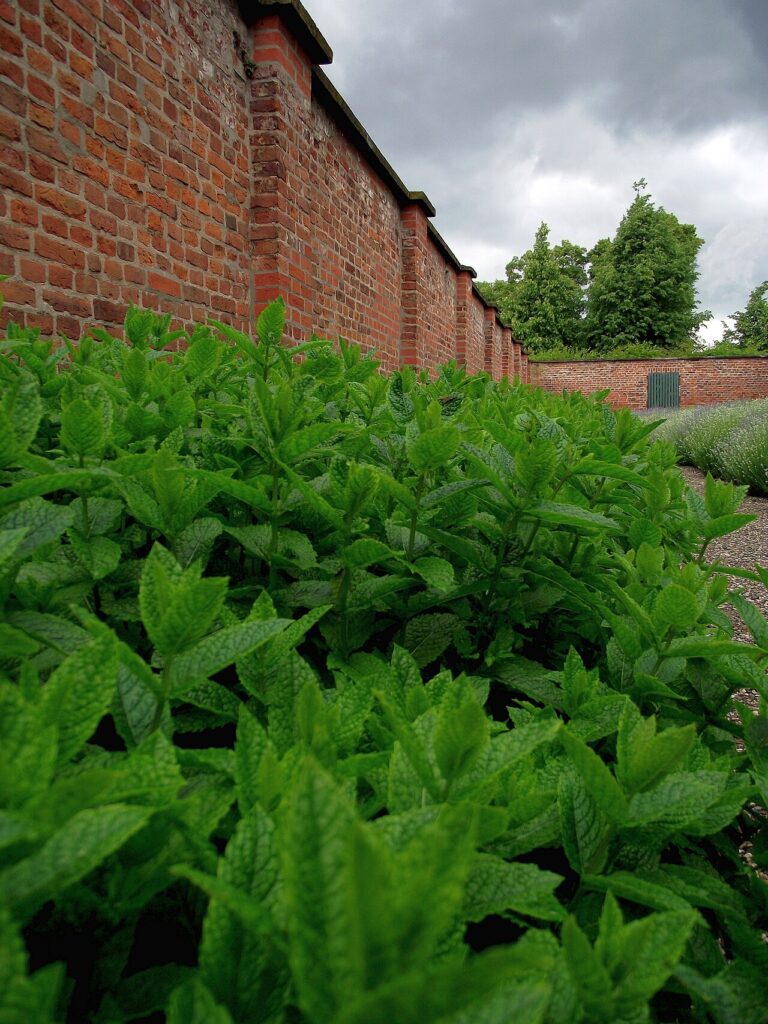
3. Fennel
Fennel (Foeniculum vulgare) seeds are chewed after meals in many cultures. They contain oils that may relax the gut and ease gas. Research is limited and mostly small, so treat fennel as a gentle traditional help.
How to use it: crush half a teaspoon of seeds and steep in hot water for 10 minutes, or chew a pinch after eating.
Be careful: avoid concentrated fennel oil in pregnancy, and stop if you notice a rash.

4. Turmeric
Turmeric (Curcuma longa) gives curry its gold color. Its main compound, curcumin, has been studied for inflammation and indigestion. Curcumin is poorly absorbed on its own, and black pepper helps absorption.
How to use it: cook with it daily, or stir a quarter teaspoon into warm milk with a pinch of pepper.
Be careful: high-dose supplements can upset the stomach and may affect gallbladder problems and blood thinners.

5. Lemon balm
Lemon balm (Melissa officinalis) is a mild member of the mint family. Traditionally it is used when stress shows up in the stomach, such as nervous indigestion. Evidence in people is early, but it is a pleasant and low-risk tea for most adults.
How to use it: steep a handful of fresh leaves, or a teaspoon of dried leaves, for 5 to 10 minutes.
Be careful: it may add to the effect of sedatives and thyroid medicine, so check with your doctor.

Myth or fact?
Try this week
- Replace one sweet after-dinner drink with a cup of ginger or fennel tea.
- Eat slowly and sit for ten minutes after meals.
- Add turmeric and a pinch of pepper to one dish this week.
- Note which herb helps you and which does not.
Sources
- Viljoen E, et al. A systematic review and meta-analysis of the effect and safety of ginger in the treatment of pregnancy-associated nausea and vomiting. Nutr J. 2014.
- Recent meta-analysis on the efficacy of peppermint oil in irritable bowel syndrome. Evidence for Self-Medication. 2021.
- Hewlings SJ, Kalman DS. Curcumin: a review of its effects on human health. Foods. 2017.
This article is for general information and is not medical advice. Talk to your doctor before using herbs, especially if you are pregnant, nursing, or take medicine.
Edited by Rehel Jemera Sausa