In a small Austrian village in 1818, a short new song was sung for the first time on Christmas Eve. Today it is sung in more than 300 languages and dialects.
Hymn at a glance
- Words: Joseph Mohr, written as a poem in 1816
- Music: Franz Xaver Gruber, 1818
- First sung: Christmas Eve, 1818, in Oberndorf near Salzburg
- Original title: “Stille Nacht! Heilige Nacht!”
A poem and a village
Joseph Mohr was a young priest who wrote a six-verse poem about the quiet of the first Christmas night. In 1818 he asked his friend Franz Xaver Gruber, a schoolteacher and church organist, to set the words to music for two voices and a guitar. The traditional account says the church organ was not working, which is why a guitar was used. Historians note that parts of that story cannot be proven, but the date and the two authors are well documented.

How it traveled
Travelling folk singers and organ repairers carried the song across Europe, and missionaries and emigrants carried it further. It was translated into English in the 1800s, and the version most English speakers know today is usually credited to John Freeman Young, an American Episcopal clergyman, in 1859.

Why it endures
The tune is gentle and easy to sing, and the words are about peace and the birth of a child. During the First World War, soldiers on opposing sides were reported to have sung carols across the trenches at Christmas 1914. In 2011 Austria recognized the song as part of its intangible cultural heritage.
Try it this week
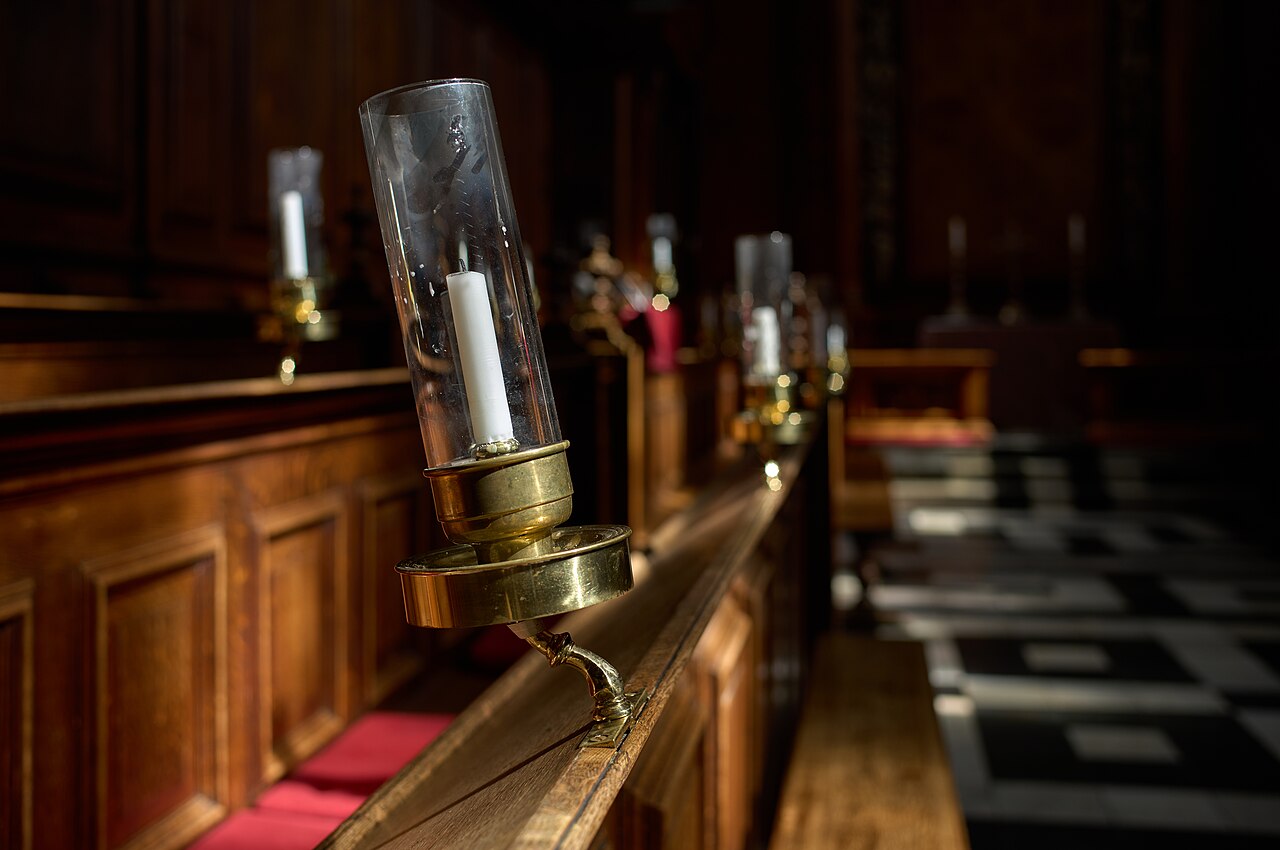
Sing or listen to the first verse together in a quiet room with one candle lit. Then talk about what “peace” means to each person.
Talk about it
- What is the quietest place you know?
- Why do you think a simple song can be loved by so many people?
- Where do you see peace that we can share this Christmas?
A closing prayer
Lord, thank you for the gift of peace and for songs that carry it. Quiet our hearts this season. Amen.Historical details of the first performance come from traditional accounts and may vary between sources.
Edited by Rehel Jemera Sausa.