
High in the mountains of northern Luzon, the Ifugao rice terraces rise in huge green steps from valley floor to ridge. Built and kept by farming communities, they are among the most remarkable landscapes in Southeast Asia. This guide explains the terraces, the people who look after them and how to visit Banaue and its villages respectfully.

Mountains and a market town
Banaue is a municipality in Ifugao Province in the Cordillera region of northern Luzon, about 375 kilometers from Manila and around 25 kilometers from the provincial capital, Lagawe. It sits at about 1,300 meters above sea level, in country that ranges from low valleys to peaks over 2,600 meters. Around 20,000 people live in its eighteen barangays. The town is small, and most visitors come for the terraces and the mountain air.

What are the terraces
The rice terraces are stone-walled fields cut into steep slopes and fed by water from mountain streams and springs. They are crowned by communally managed forests called muyong, which hold water and protect the soil. This arrangement shows a deep understanding of land and water. Looking across the slopes, it is hard not to be moved by the effort and patience that built them, one wall and one field at a time.
How old are they
A popular story says the terraces are two thousand years old, an idea first suggested by an early anthropologist. Later studies using carbon dating suggest they may be less than a thousand years old. Scholars still debate the question, and you will hear different answers. What is not in doubt is that generations of Ifugao farmers have built, repaired and cared for them. Their age matters less than the fact that they are alive and still farmed.
A World Heritage landscape
In 1995, UNESCO listed the Rice Terraces of the Philippine Cordilleras, and the Batad and Bangaan clusters near Banaue are among the sites included. The famous viewpoint terraces closest to town are not part of the listing because of modern structures nearby, but they are a National Cultural Treasure and a good place to start. Seeing the viewpoint first gives you a sense of scale before you go deeper into the villages.
The Ifugao people
The terraces belong to the Ifugao people, who built them using stone walls and simple tools and who still manage them through shared customs. Languages spoken include Ifugao, Tuwali, Ilocano and Tagalog. The community is known for woodcarving, weaving and basketry. The name Banaue comes from a word for a swift-flying bird in the Tuwali language. Greet people politely, ask permission before taking photographs and respect the fact that the terraces are livelihoods, not scenery.
Batad
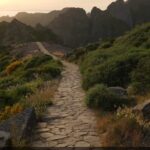
Batad is a village within an amphitheater of terraces, and many consider it the most beautiful of the clusters. Reaching it usually involves a road and then a trail, with steps and stone paths that can be slippery after rain. Hire a local guide if you can, because it supports the village and keeps you safe. Walk single file on terrace walls, which are fragile, and do not step into the fields.
Bangaan
Bangaan is a village of old houses surrounded by terraces, reached by a road and then a short trail. It is smaller and quieter than Batad. The terraces here step down toward a river, and the walk can be done in a morning. Pay attention to your footing, step aside for farmers and porters, and buy a drink or a handicraft in the village if you stop.
Threats and care
The terraces face real challenges. A major earthquake in 1990 damaged irrigation systems, droughts have caused soil erosion, and some families have left farming for easier work elsewhere. Without people to maintain the walls and the water channels, terraces can collapse. Visitors can help by hiring local guides, staying in locally owned lodges and buying local crafts and rice. Choosing a respectful visit is a small but real form of support.
Seasons and weather
Banaue is cool, with average daily highs of around twenty-four degrees Celsius, and it is rainy, with more than two and a half meters of rain a year. July and August are the wettest months, and January and February are the driest. The drier months are more comfortable for walking, but the terraces look different through the year, from flooded and shining to green and finally golden. Ask local people about the stage of the crop. Bring a rain jacket in any season.
Getting there
Most visitors travel from Manila by overnight bus, a journey of many hours on winding mountain roads. Private cars and vans are also possible. Check schedules, plan to arrive in daylight if you can and allow extra time in the rainy season, when landslides can affect roads. Once in Banaue, jeepneys and tricycles connect the town with trailheads. Ask your guesthouse for current advice.
Walking safely
- Wear shoes with strong grip, since stone steps can be slick.
- Carry water, a rain jacket and a small first-aid kit.
- Hire a local guide for longer trails.
- Keep to paths and terrace walls that locals use.
- Start early to avoid afternoon clouds and rain.
Culture and crafts
Banaue's woodcarvers make masks, bowls and figures, and weavers create colorful cloth. Buy directly from makers when you can and ask how the piece is made. Carved wooden figures have cultural meaning, so treat them with respect. Fair prices help families stay in their communities, and a single well-chosen piece is a better memory than a bag of souvenirs.
What to eat
Meals in the highlands are simple and hearty. Rice, vegetables, grilled meats, soups and root crops are common, and local red rice is grown in the terraces. Coffee from the mountains is often available. Ask your host about local dishes, eat what is served with thanks and say if you have dietary needs. Carry a refillable water bottle.
Where to stay
Guesthouses in Banaue range from simple rooms with mountain views to small hotels. In Batad, basic lodges sit close to the terraces, and a night in the village lets you see the valley in the evening and morning light. Facilities are simple, hot water may be limited and mobile coverage is patchy. Book ahead in the dry season and bring a warm layer for the evenings.
A slow day in Banaue
- Morning: visit the viewpoint and have breakfast with a mountain view.
- Mid morning: travel to a trailhead and walk with a guide.
- Midday: rest in a village and eat a simple lunch.
- Afternoon: walk slowly along the terraces and return before dark.
- Evening: have a quiet dinner and watch the stars.
Visiting with respect
The terraces are homes and farms. Do not walk on walls, enter fields or pick plants. Ask before taking pictures of people, especially elders, and offer to share photos if you can. Take your rubbish with you, use refillable bottles and keep your voice low in villages. Hospitality in the highlands is generous, and respectful visitors are welcomed warmly.
Traveling with children and older relatives
The terraces are best enjoyed slowly, and families can choose easy routes close to the road. Children usually enjoy village life, but stone steps and terrace walls can be dangerous, so hold hands and stay on the paths. Older relatives may prefer the viewpoints and a short walk near Banaue town, rather than the longer treks. A relaxed plan with plenty of rest is always better than an ambitious one.
Cool mornings and changeable weather
At more than a thousand meters above sea level, mornings and evenings can be cool, and mist often fills the valleys. Dress in layers, carry a light rain jacket and keep spare dry clothes in your bag. Weather can change quickly, so start early and finish before dark. In the rainy season, expect mud on the trails and plan extra time.
Cash, signal and practical matters
Services in the mountains are simple. Bring enough cash for lodging, guides and meals, since cash machines may be limited and card payment is not always available. Mobile coverage can be patchy, so download maps and tell your host where you are going. Carry a power bank and a small flashlight, and keep a copy of your bookings offline.
Photography and kindness
The terraces are beautiful at every hour, but the soft light of early morning and late afternoon is best. Ask before photographing local people, particularly elders, and thank them. Offer to share a picture if you can, and do not pay or pressure people to pose. Treat the landscape as someone’s home and workplace, and leave it as you found it.
Find it on the map
- Check road conditions and weather before you travel.
- Hire a local guide for longer treks.
- Wear shoes with strong grip and bring a rain jacket.
- Never walk on terrace walls that locals do not use.
- Check the weather and any local news the day before, and read recent Google Maps reviews for current conditions.
- Carry water, sun protection and small change, and wear comfortable shoes.
- Dress modestly for temples and shrines: shoulders and knees covered.
Take your time. Do not hurry from one stop to the next. Sit down, look slowly, and let yourself appreciate what is in front of you. A place seen slowly is remembered for much longer.
Sources
Edited by Rehel Jemera Sausa