
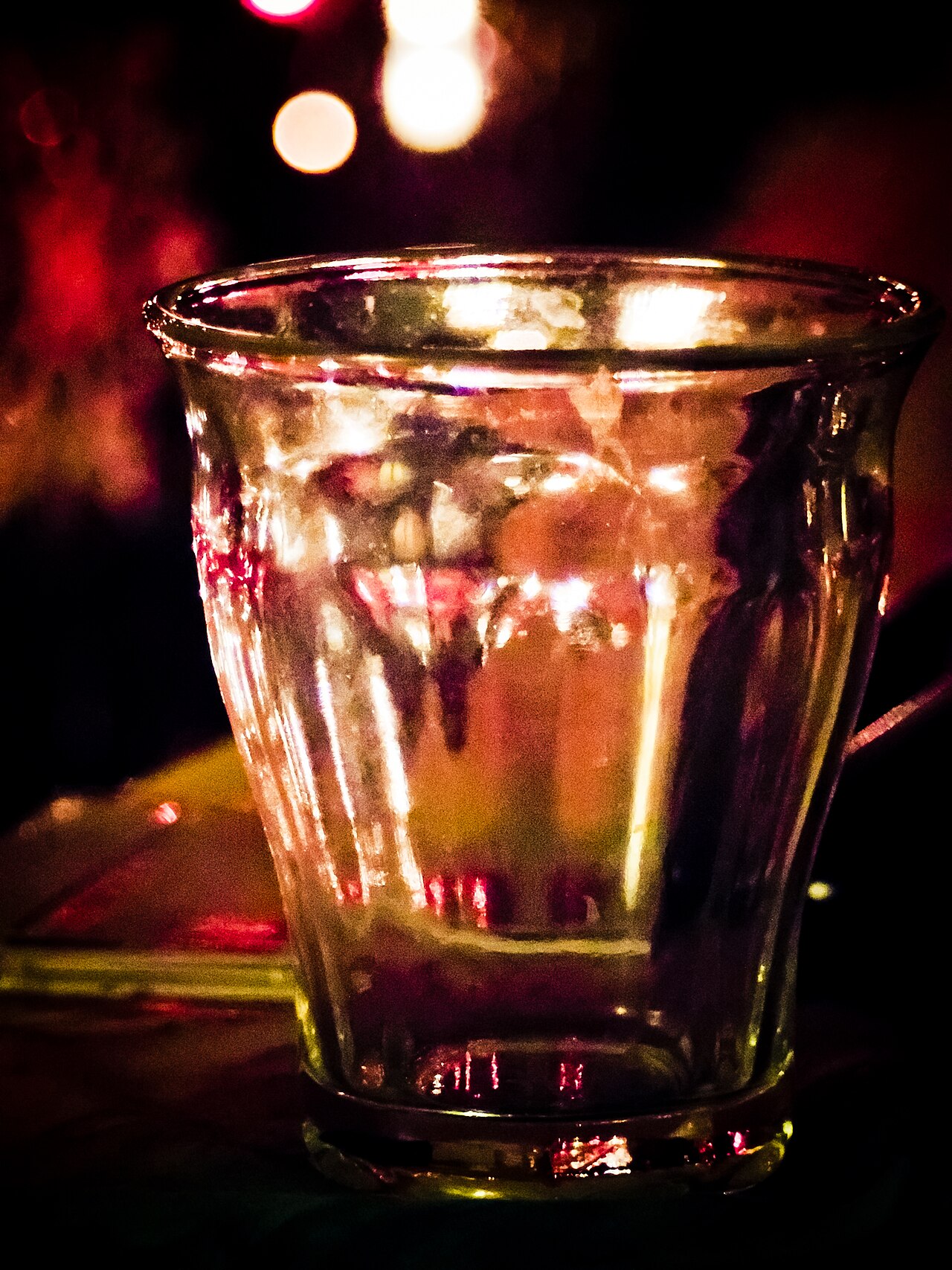
When the weather is hot and the air is thick, we sweat more and feel thirsty more often. Yet many of us go through busy days drinking far less water than we realize. We reach for a coffee, forget the glass on the desk or wait until we have a headache before we think about drinking. Staying hydrated is one of the simplest habits for feeling well, and with a few easy routines it can become automatic. This guide offers practical ideas for people of all ages and for every kind of day.

Why water matters
Water is part of nearly everything the body does. It helps carry nutrients, supports digestion, helps regulate body temperature through sweat, and keeps tissues moist. When we do not drink enough, we may feel tired, dull or irritable, and we may notice dry lips or a dry mouth. Paying attention to water is a way of taking care of the body that carries us through each day.
How much each person needs varies with age, size, activity, climate and health. There is no single number that suits everyone. This article is general information, not medical advice. If you have a heart, kidney or other health condition, take medication, or are pregnant or breastfeeding, ask your doctor how much fluid is right for you. For most healthy people, drinking regularly through the day and paying attention to thirst is a good guide.

Learn your own signs
Thirst is the most obvious signal, but it is not always reliable, especially for older people, children who are busy playing, or anyone absorbed in work. Other signs of needing more fluid can include a dry mouth, tiredness, a mild headache, dizziness, or darker urine than usual. Pale yellow urine is generally a sign of good hydration, though some vitamins and foods can change its color.
Take notice of how you feel on days when you drink more water compared with days when you drink little. Many people find that they have more energy and concentration with regular drinking. If you feel unwell, very dizzy, confused or unable to keep fluids down, especially in the heat, seek medical help promptly. Do not wait for it to pass.
Start the day with a glass
After a night of sleep, the body has gone for hours without fluid. A glass of water when you wake up is a simple way to begin the day well. Keep a glass or bottle by your bed so that it is ready when you rise. You can make it more pleasant by adding a slice of lemon or lime, or by drinking it slightly cool rather than ice cold.
Tie the habit to something you do every morning, like brushing your teeth, opening the curtains or making your bed. When one action leads to another, the habit sticks more easily. Some families make a game of it, with everyone drinking a glass of water before breakfast and saying good morning with a cheer.
Keep water within reach
The easiest way to drink more is to make water easy to reach. Choose a bottle or glass that you like, and keep it where you spend most of your day: on your desk, in your bag, in the car, by the kitchen sink or next to your favorite chair. If water is in front of you, you will sip without thinking.
A bottle with markings can help you see your progress, and a bottle with a lid is useful for travel and outings. Wash it daily to keep it fresh. Refill it whenever you pass a tap, and carry a spare bottle on long trips. If you work with your hands or are busy with children, put a few glasses of water in places you pass often and take a sip whenever you do.
Link drinking to existing routines
Habits grow best when they are tied to things we already do. Have a glass of water with each meal, before each snack and after each trip to the bathroom. Take a few sips whenever you answer a call, finish an email or return to your desk. Drink a glass when you come home, before you start dinner. Over time these cues become automatic.
If you tend to forget, use simple tools. Set a quiet alarm on your phone, use a habit tracking app or put a coloured rubber band on your bottle and move it down as the day goes by. Some people like to draw a line on their bottle and aim to reach it by lunchtime. Choose the system that feels easy to you and ignore the rest.
Add flavor without fuss
Plain water is perfectly good, but a little flavor can make it more inviting. Add slices of cucumber, lemon, lime, orange or ginger to a jug and leave it in the refrigerator for an hour or two. Fresh mint, basil or lemongrass also add a pleasing taste. Frozen fruit pieces serve as flavored ice cubes. You can also try chilled herbal or fruit teas without sugar.
Be careful with drinks that are very high in sugar, which may give a quick lift followed by a drop in energy and a greater thirst. Coffee and tea can be part of a day's fluids for most people, though too much caffeine can leave some feeling jittery or can disturb sleep. Coconut water is a popular choice in warm countries, and it is best enjoyed in moderation as part of a varied diet.
Eat your water
Many foods contain a lot of water and can help with your daily fluids. Cucumbers, watermelon, oranges, strawberries, tomatoes, lettuce, celery and melons are very juicy. Soups and broths, cooked rice, porridge and yogurt also contribute. A bowl of fresh fruit in the afternoon is both a snack and a drink.
In hot weather, build meals around fresh vegetables and fruit. A cucumber and tomato salad, a fruit plate with lime, or a chilled soup can be refreshing and satisfying. Cooking light and eating light can reduce the sense of heaviness on warm days, which also makes it easier to drink and enjoy water.
Helping children drink well
Children can forget to drink when they are busy playing, and they may feel the heat quickly. Give each child their own bottle, ideally one they have chosen themselves, and encourage regular sips during play, at school and on outings. Offer water at meals and during snack times, and make it the usual drink at home.
Make it fun. Add fruit to a jug and let children help prepare it. Use a colorful cup or a bendy straw. Keep a water chart on the fridge where children can mark each glass. Set a good example by drinking water yourself. If your child often refuses to drink, or seems unusually sleepy, hot or unwell, talk to a doctor.
Looking after older family members
Older adults may feel less thirsty even when they need fluids, and some may avoid drinking to reduce trips to the bathroom or because of difficulty moving around. Offer a drink at regular times, such as with each meal and in the mid-morning and afternoon. Keep a bottle or glass within easy reach and use cups that are easy to hold.
Warm drinks, soups and fruit can help, especially if cold drinks are unappealing. Watch for signs such as confusion, dry skin, dizziness or reduced appetite, and seek medical advice if they appear. If an older relative has a health condition or takes medicine that affects fluid balance, follow the doctor's advice. Sitting down together for a drink is a lovely way to spend time.
Drinking well when you are active
If you walk, exercise or work outdoors in the heat, you will lose more fluid through sweat. Drink a little before you start, sip regularly during activity and drink again afterward. Take rests in the shade and wear light, loose clothing and a hat. Do not wait until you are very thirsty, because by then you may already be behind.
During long or intense activity in hot weather, some people also need to replace salts. Ordinary meals usually provide enough for most people, but if you are active for long periods or sweating heavily, ask a doctor or dietitian what is suitable for you. Avoid drinking huge amounts of water all at once, which can be harmful. Steady sipping is wiser than gulping.
Building a calm, simple routine
Hydration does not need to be complicated or anxious. Aim for a gentle pattern of drinking throughout the day, rather than counting every mouthful. Start with one or two new habits, such as the morning glass and a bottle at your desk. When these feel natural, add another, such as a glass with every meal.
Be kind to yourself on days when you forget. Simply pick up the glass and begin again. As the habit takes root, you may notice small benefits: more energy in the afternoon, fewer headaches, a fresher mouth and a clearer mind. Each of these is a gentle reward for a simple choice.
A small act of care
Offering someone a glass of water is one of the oldest forms of hospitality. When a guest arrives, we bring a drink. When a friend is unwell, we leave a glass at the bedside. In giving water, we say, I care for you. Taking time to drink well is a way of showing the same care to ourselves.
This week, choose a favorite bottle or glass and keep it near you. Add a slice of lemon or a sprig of mint if you like. Share a jug with your family at dinner. Notice how a simple, steady habit can make hot days feel kinder, and give thanks for the fresh water that so many people long for.
Edited by Rehel Jemera Sausa