

When the rains settle in, many of us quietly put our walking shoes away. The sky is gray, the paths are muddy, and the sofa looks very inviting. But a rainy season can also be one of the loveliest times to walk. The air smells fresh, the colors deepen and the world slows down. With a little preparation and a few good habits, you can keep walking through the wet months, safely and with real pleasure.

Why walk when it rains
Regular walking is one of the simplest ways to care for body and mind. It costs nothing, needs no equipment, and can be done at almost any age. Many people find that a daily walk lifts their mood, clears their head and helps them sleep. When we stop walking for a whole season, we lose that rhythm, and it can be hard to start again.
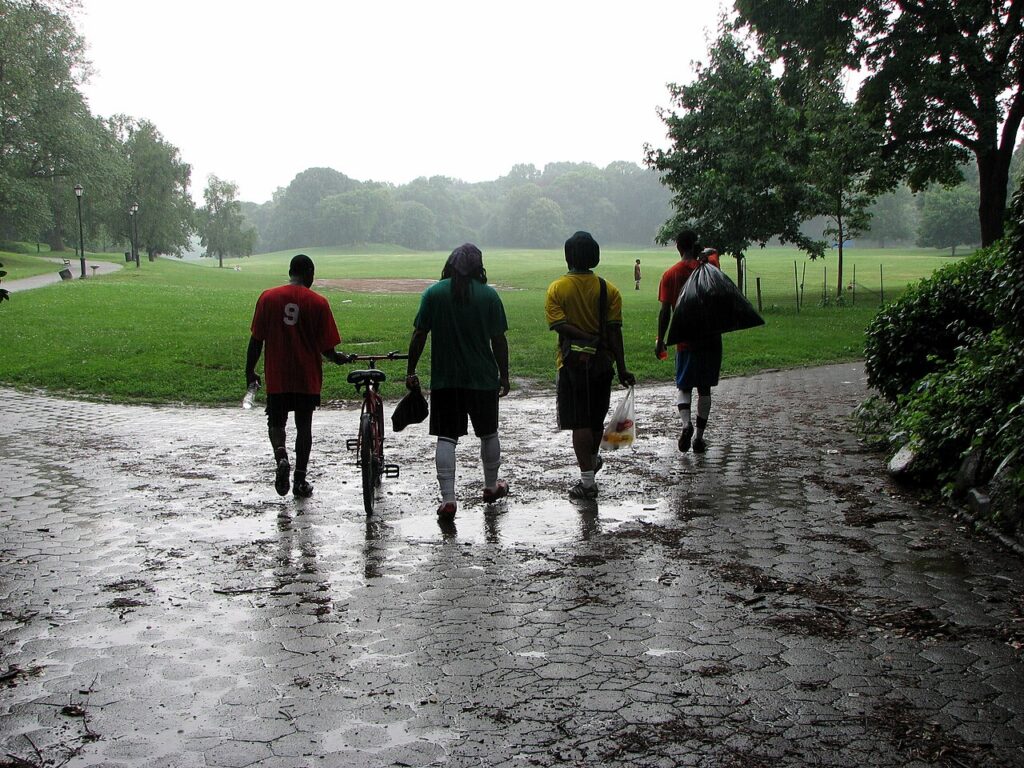
Rain adds its own gifts. The noise of the city softens, the paths are quieter, and plants glisten. There is something peaceful about moving through a gentle shower, wrapped in the sound of drops on leaves or an umbrella. Walkers often say that rainy walks become their favorites once they stop dreading the weather. If you have a health condition or concerns about exercise, speak with your doctor before starting a new routine.
Choose the right gear
Comfort makes the difference between a good rainy walk and a miserable one. A light rain jacket with a hood keeps you dry without making you too hot. Choose breathable fabric, since heavy plastic can trap sweat. In warm climates, a light poncho or a wide umbrella may be better. Pack a small bag or wear a pocket that keeps your phone and keys dry.
Shoes matter most. Pick shoes with good grip and a closed toe. Wet pavements, tiles and leaves can be slippery, and sandals offer little protection. Wear socks that dry quickly, and carry a spare pair if you are going far. After the walk, stuff your shoes with newspaper so they dry fully before the next day. Dry shoes are a quiet gift to your future self.
Stay safe on wet paths
Slow down. Wet surfaces make falls more likely, so shorten your steps and keep your eyes on the path. Be careful on painted road lines, metal covers, smooth tiles and wooden boards, which can be very slippery when wet. Avoid walking through deep puddles that may hide holes or sharp objects. If a path is flooded, choose another one.
Be seen by others. Rain reduces visibility for drivers, so wear bright or reflective clothing, especially in the evening and early morning. Walk facing traffic where possible, stay on pavements or paths, and cross roads with extra care. Keep one ear free if you listen to music or a podcast, so you can hear approaching vehicles.
Plan around the weather
Rain rarely falls all day. Check the forecast and choose the gaps, which are often in the early morning or late afternoon. A weather app can show when a shower is likely to pass. If you can be flexible, a quick walk between showers can be a pleasure, and you will often have the paths to yourself.
Keep your plans simple. Short walks of ten to twenty minutes count. If a longer route feels unsafe, walk a loop near home, so you can get indoors quickly. Having a few choices, such as a covered walkway, a park, a quiet street or an indoor space, means you are never stuck with the excuse that the weather is wrong.
Make it easy to begin
The hardest part of any habit is starting. Remove friction by keeping your rain gear and walking shoes by the door, ready to use. Lay out your clothes the night before. Tell yourself that you only have to walk for five minutes. Most days, once you are outside, you will keep going.
Attach the walk to something you already do. Walk after breakfast, before work, after lunch or after dinner. Pair it with a regular podcast or a call to a friend, if you like. If you can walk with someone, the habit becomes stronger, because you will not want to let them down. A rainy walk shared with a friend becomes a small adventure.
Enjoy it with all your senses
Make the walk a time of gentle attention. Notice the smell of wet earth, the sound of drops on leaves, the colors of flowers and the patterns of ripples in puddles. Watch how the light changes as clouds move. This kind of attention turns exercise into a restful practice, and it helps the mind leave its worries behind.
Try a simple exercise. Pause, and name three things you can see, two things you can hear and one thing you can feel. This brings you back to the present moment and calms the mind. You can also take a notebook or use your phone to jot down thoughts or take photographs. Many people find that a rainy walk brings their best ideas.
Walking with children
Children often love rain far more than adults do. Let them wear boots and splash in puddles, collect leaves, look for snails and listen to the rain. Take a small bucket to catch drops or a magnifying glass to look at raindrops on leaves. A rainy walk can be a chance for wonder, laughter and learning.
Keep safety in mind. Hold hands near roads, avoid deep water and fast-moving streams, and bring a dry change of clothes and a towel for afterwards. Warm drinks and snacks at home make a lovely reward. Children who are used to being outdoors in all weather often grow into adults who are confident and resilient.
Turn the walk into a quiet practice
Many people use their walks for reflection, prayer or gratitude. Set an intention at the start, such as, Today I will notice what is good. Walk slowly and let your thoughts settle. If your mind wanders, bring it back to your steps or your breathing. In the rain, there is a natural hush that makes this easier.
You might also use the walk to think through a problem, call a friend, or simply be quiet. There is no right way. What matters is that you give yourself time away from screens and demands. Returning from a walk with fresh air in your lungs and a calmer mind is one of the best ways to begin or end a day.
Care for yourself afterwards
Once you are home, take off wet clothes and dry yourself well. A warm shower, a hot drink or a bowl of soup feels wonderful after a rainy walk. Hang up your jacket and put your shoes in a place where they can dry. Check your feet for any rubbing or irritation, and treat small problems early.
Rinse or wipe muddy shoes, and keep a mat or towel by the door to catch drips. A simple routine at the door, such as hanging the jacket, wiping the shoes and placing the umbrella to dry, makes the habit tidy and easy. Looking after your gear helps it last, and it keeps your home clean and dry.
Keep the habit through the season
Track your walks on a calendar, with a tick or a sticker for each day. Seeing a chain of ticks encourages you to keep it going. Set small goals, such as walking four days a week or reaching a certain number of minutes. Celebrate your progress, and be gentle if you miss a day. Simply begin again the next day.
If the weather stops you for a few days, do not give up. Do some stretches at home, climb the stairs or walk around the house for ten minutes. Then return to your outdoor walks when conditions improve. A habit survives when it can bend. Over time, you may find that the rainy season has become the season you walk the most.
Let the rain be a teacher
Walking in the rain teaches us not to wait for perfect conditions. If we only act when everything is easy, we will do very little. A raincoat, a pair of good shoes and a willing heart are usually enough. The rain reminds us that life is not always sunny, and that there is beauty even when the sky is gray.
This week, choose one walk you will take, rain or not. Dress well, go slowly and look around. Notice how you feel when you return. You may find that the weather you once avoided has become a friend, and that the quiet streets of the rainy season hold a peace you cannot find in any other month.
Walk with others
Many neighborhoods, faith communities and workplaces have walking groups, and a rainy season is a good time to join one. Walking with others adds friendship and accountability, and the conversation makes the minutes pass quickly. If there is no group near you, start one. Invite two or three friends or neighbors, agree on a time and place, and keep it relaxed. Rain gear and a good attitude are the only requirements.
Walking alone has its own value, so a mix of both can work well. Some people like solo walks for thinking or prayer and group walks for company. Choose what suits you in each season of life. Either way, the aim is the same: to keep your body moving, your mind clear and your spirit open to the small gifts of each day, whatever the weather brings.
Edited by Rehel Jemera Sausa