Lopburi is one of Thailand's oldest cities, with layers of Khmer, Ayutthaya and French-influenced history in a small walkable old town. This guide shares three real heritage stops you can visit in one slow morning or afternoon, with tips on monkeys, heat and respect.

A small city with a long story
Lopburi was an important city for over a thousand years, and King Narai made it a second capital in the seventeenth century. Its old town is compact, so the main sights are close to the train station and each other. Check hours and closing days on Google Maps before you go, since some sites close on certain weekdays. Each place has a map link at the end.
1. Phra Prang Sam Yot
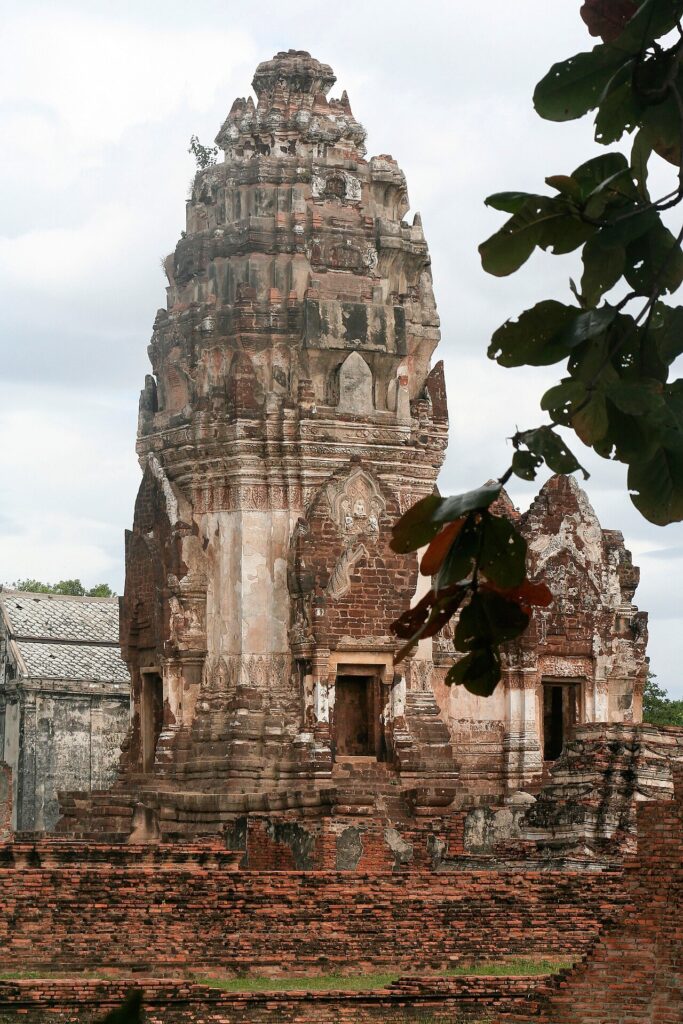
Phra Prang Sam Yot is the most iconic landmark in Lopburi, a Khmer-style shrine of three connected towers that represent the Hindu Trimurti and later became a Buddhist sanctuary. Visitors say the monkeys that once crowded the area are fewer now, but some still roam nearby. Keep food and loose items hidden, avoid feeding them and stay calm if they approach. Late afternoon light makes the stone look warm. An entry fee applies, so ask at the gate.
2. Phra Narai Ratchaniwet and the Somdet Phra Narai National Museum
This is the former palace of King Narai, a large walled complex with lawns, old halls and a museum at the far end. The museum holds Lopburi-style Buddha images, sculptures and prehistoric items, including a skeleton that is thousands of years old. The museum is closed on Mondays and Tuesdays according to Google Maps, so plan accordingly. Wear a hat, as much of the walking is in the open, and allow at least an hour and a half. If you visit in February, the King Narai festival brings costumes and a light show, but also crowds.
3. Wat Phra Si Rattana Mahathat
This is a large temple ruin opposite the train station, with towers, a tall prang, old walls and shade trees. It combines Khmer, Ayutthaya and later influences. Visitors often find it calm and less crowded than the monkey temple, and the early morning is the best time to walk through it. A small fee applies, and a combined ticket for several sites may be available, so ask at the gate.
A gentle half-day plan
- Early morning Walk through Wat Phra Si Rattana Mahathat while it is cool.
- Mid morning Visit the palace grounds and the museum.
- Midday Eat in the old town and rest in the shade.
- Late afternoon Walk to Phra Prang Sam Yot when the light is soft.
Getting around
The old town is small enough to walk, and the train station is close to the ruins, so a day trip by train from Bangkok is possible. Check train times on a reliable source close to your date. Tuk-tuks and motorbike taxis are easy to find. Agree on the price before you start.
Respect and safety
The sites are sacred places as well as historical ones. Do not climb on structures, touch old carvings or point your feet at Buddha images. Keep a good distance from monkeys, never show them food and hold on to your phone and sunglasses.
The monkeys of Lopburi
Lopburi is famous for its long-tailed macaques, which live around the old shrines and the old town. They are wild animals, even though they look playful. Keep a respectful distance, do not carry open food, and do not touch them. If a monkey takes something, do not chase it. The city also holds a feast for the monkeys each year, and the festival draws crowds.
Eating in Lopburi
The old town has noodle shops, grilled meat stalls and small cafes, as well as a night market near the train station on certain evenings. Lopburi is also known for sunflower fields, which bloom in the cool season on the edges of the province. Ask your host for a current recommendation.
Staying overnight
A night in Lopburi lets you see the old town in the evening light and explore the quieter sites in the morning. Check Google Maps for small hotels and guesthouses near the train station, and read recent reviews yourself before you decide.
King Narai’s open door
Lopburi’s most dramatic chapter came in the seventeenth century, when King Narai made it a second capital and welcomed envoys from far away. Diplomats and merchants from Europe and Asia visited his court, and the buildings of his era are said to show influences from France and Persia as well as Thai and Khmer traditions. When you walk the palace grounds, look for arched doorways, wall niches and window shapes that feel different from the temples you may have seen elsewhere. A Greek adviser at the court, Constantine Phaulkon, is also remembered in the old town, where the remains of a residence linked to him can be visited. Check Google Maps to see whether it is open on the day you go.
Reading the layers of stone
Lopburi was an important city long before the seventeenth century. It was a center of the Lavo kingdom, and later it came under Khmer influence, which left the towers called prangs that you see today. Later Thai kings repaired and added to them, so a single monument can show several centuries at once. A simple way to enjoy this is to look at the lower walls and doorway frames for older work, then at the upper parts for later repairs. The result is a city that feels like a book with many chapters, and it rewards slow looking.
Photographing the old town
Early morning and late afternoon bring soft, warm light on the stone and make the heat easier to bear. Keep your camera strap across your body, do not put your bag on the ground near monkeys, and avoid using flash in shrines. Ask before photographing monks or people at prayer. Many heritage sites have rules about drones, so check before you fly one. Take one photograph, then put the camera down and look with your own eyes for a minute. You will remember more of it.
Visiting with children
Lopburi is a good place for curious children, as long as you set a few ground rules. Explain before you arrive that the monkeys are wild and not pets, and ask children to stay close to you. Turn the ruins into a small treasure hunt: count the towers, find a carved face, spot where old brick meets newer repair. Plan shade breaks, bring water and keep each stop short. A relaxed child will remember the visit far better than a tired one.
When to go, and the festivals
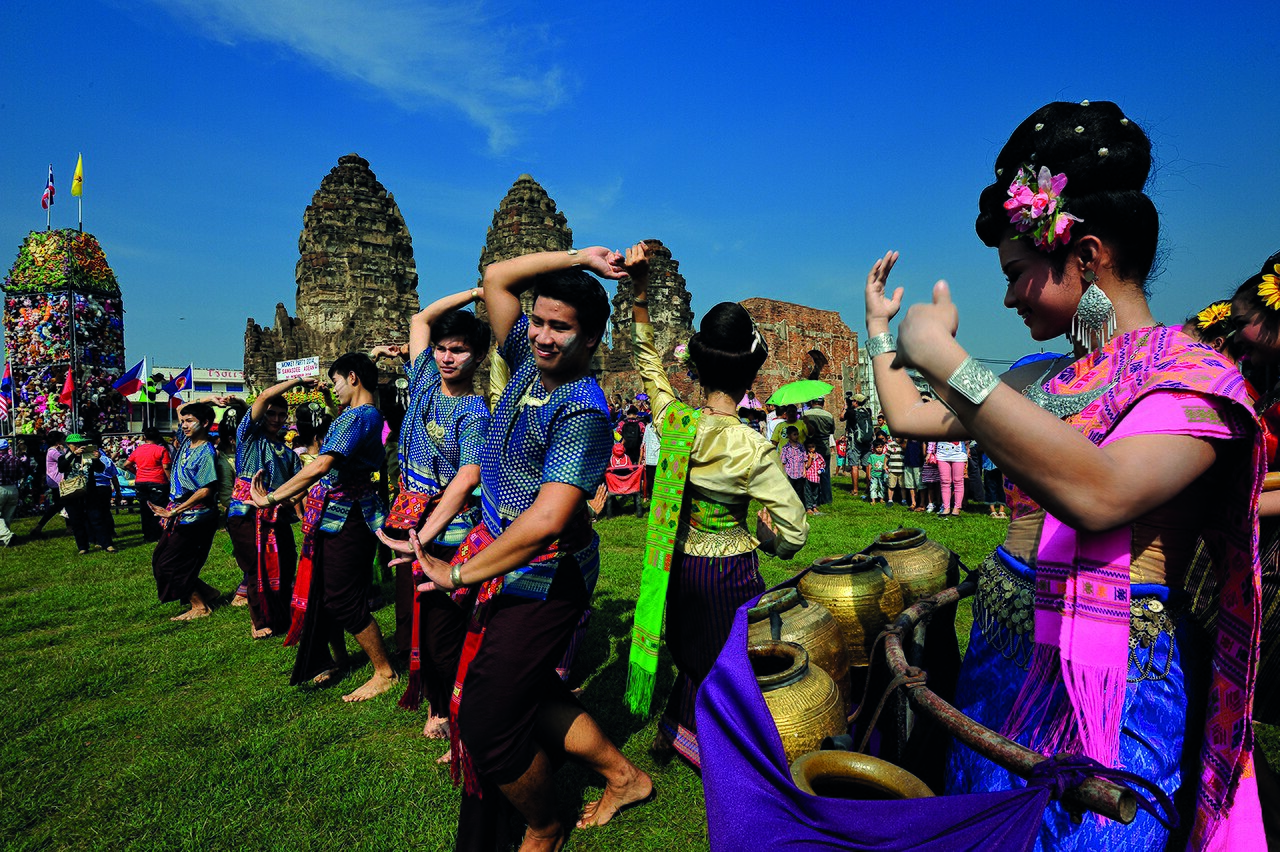
The cool season, roughly November to February, is the most comfortable time to walk the open ruins. In the hot months, arrive before nine and rest at midday. The rainy season turns the lawns green and brings fewer visitors, but afternoon storms are common, so carry a rain jacket. The city holds a festival for King Narai in February and a well-known feast for the monkeys late in the year. Both are colorful and crowded, so check dates, arrive early and keep your belongings close.
Combining Lopburi with other stops
Lopburi fits easily into a longer route. If you would like a slow coffee in the area, our guide to seven quiet cafes in Lopburi covers gardens, old town corners and mountain views. If you are traveling from the south, our notes on two temple stops in Saraburi make a gentle first stop. And if you are heading toward Ayutthaya, you may enjoy riverside and temple-view cafes in Ayutthaya. Whichever way you travel, leave a little time to sit in the shade and let the old stones do their work.
Pacing the morning
It is tempting to rush through three sites in a row, but the old town works best at a gentle pace. Begin with the quiet ruins while the air is cool, then take a long break in the shade before the palace grounds, where much of the walking is in the open. Drink water before you feel thirsty, wear a hat and walk on the shaded side of the street when you can. If your energy fades, it is perfectly fine to skip a site. One place seen slowly is worth more than three places seen in a hurry.
Before you leave town
On your way out, stop for a cold drink at a small shop and look back at the old town one more time. Notice how the towers, the temples and the everyday traffic share the same streets. Lopburi is not a museum. People live, work and pray among these stones, and your visit is part of that daily life. Leave the place as you found it, thank the people who helped you and carry the memory home with you.
Find it on the map
- Check hours and closing days on Google Maps shortly before you go.
- Do not feed monkeys and keep food and loose items hidden.
- Wear a hat and carry water, since much of the walking is outdoors.
- Dress modestly at temples and ruins.
- Check the weather and any local news the day before, and read recent Google Maps reviews for current conditions.
- Carry water, sun protection and small change, and wear comfortable shoes.
- Dress modestly for temples and shrines: shoulders and knees covered.
Take your time. Do not hurry from one stop to the next. Sit down, look slowly, and let yourself appreciate what is in front of you. A place seen slowly is remembered for much longer.
Edited by Rehel Jemera Sausa