Nara is a small, calm city where huge wooden temples stand among old trees and sika deer wander through the park. More than twelve hundred years ago it was the capital of Japan, and its monuments are now listed as a World Heritage site. This guide explains the main sights, how to treat the deer kindly and how to enjoy the city slowly.
Japan's first permanent capital
Nara lies in the Kansai region of Honshu, bordering Kyoto Prefecture to the north. In the year 710, the court established a capital called Heijo-kyo here, and it became the first permanent capital of Japan. The government stayed for most of the period until the 780s, apart from a short interruption in the 740s. When the court moved away, the great temples stayed, and Nara kept its spiritual importance. Today it is the capital of Nara Prefecture and a city of about 360,000 people.
A World Heritage landscape
In 1998, UNESCO listed the Historic Monuments of Ancient Nara. The group includes Todai-ji, Kofuku-ji, Kasuga Shrine, Gango-ji, Yakushi-ji, Toshodai-ji, Saidai-ji, the site of Heijo Palace and the primeval forest of Kasugayama. They are spread across the city and its edges, which means that a visit is as much a long walk as a museum tour. Choose a few places and let the rest wait for another day.
Todai-ji and the Great Buddha
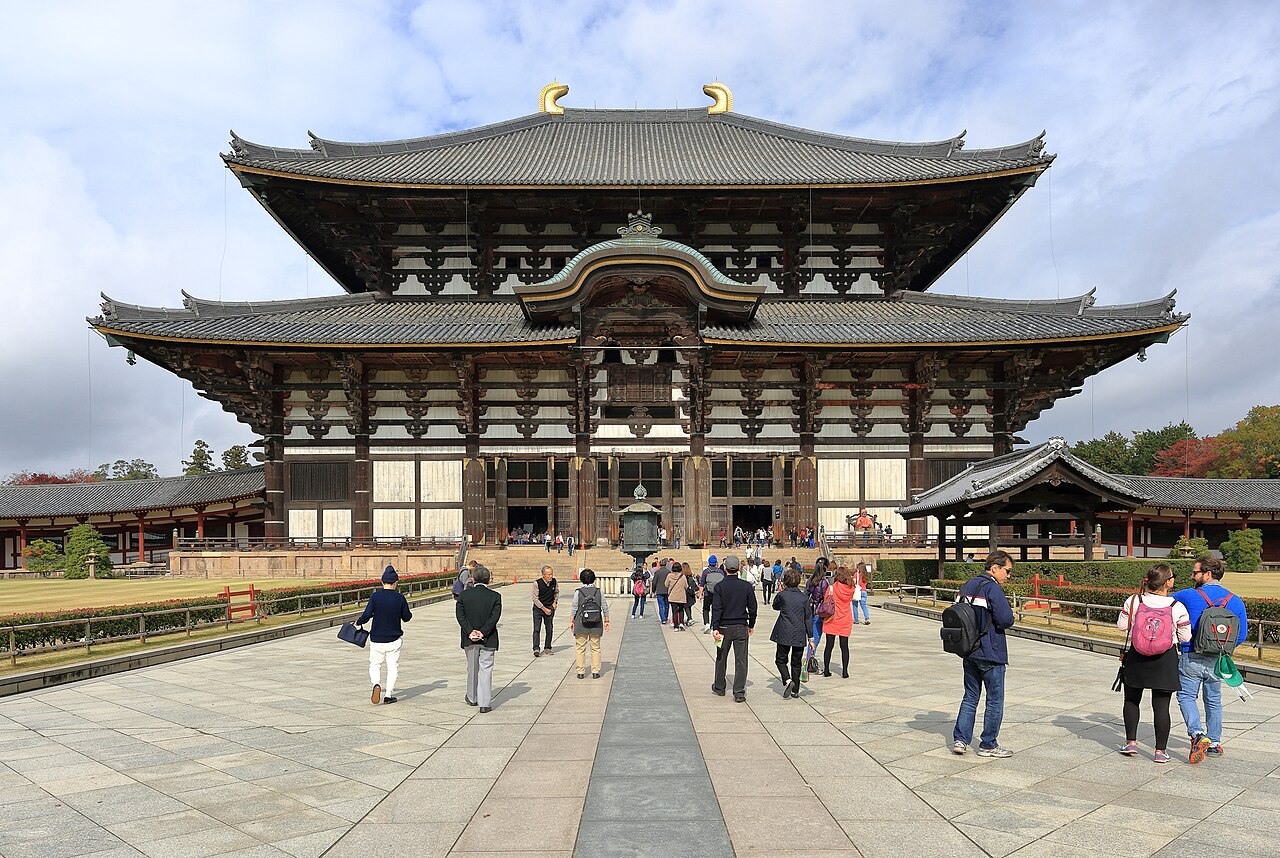
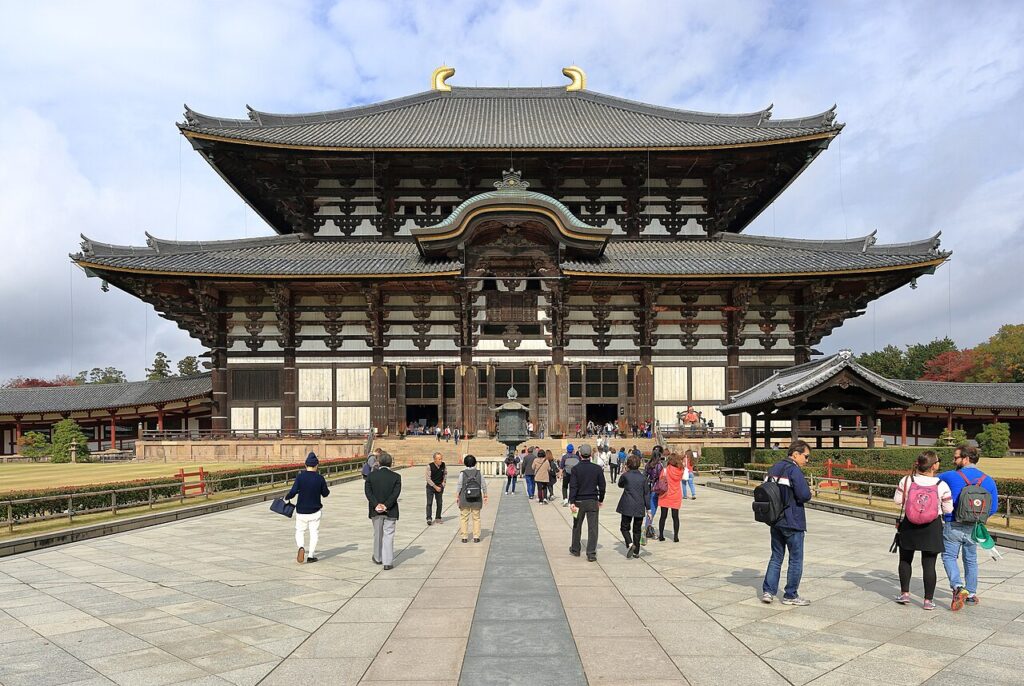
Todai-ji was ordered by Emperor Shomu, and its Great Buddha Hall is among the largest wooden buildings in the world. Inside sits a colossal bronze statue of the Buddha, the largest of its kind. The scale takes visitors by surprise. Stand quietly for a minute at the entrance and take in the size before you move closer. Look for the small details, such as the lotus petals and the guardians at the side, and notice how people bow as they enter.
Kasuga Shrine and its lanterns
Kasuga Shrine, nestled in the forest at the foot of a hill, is known for the thousands of stone and metal lanterns that line its paths and hang from its buildings. Legend says that the god Takemikazuchi arrived in Nara on a white deer to protect the new capital, which is why deer are regarded as sacred messengers. Walk the approach slowly, and look at the moss on the stone lanterns. The shrine feels older and quieter than many places in the city.
The deer of Nara Park
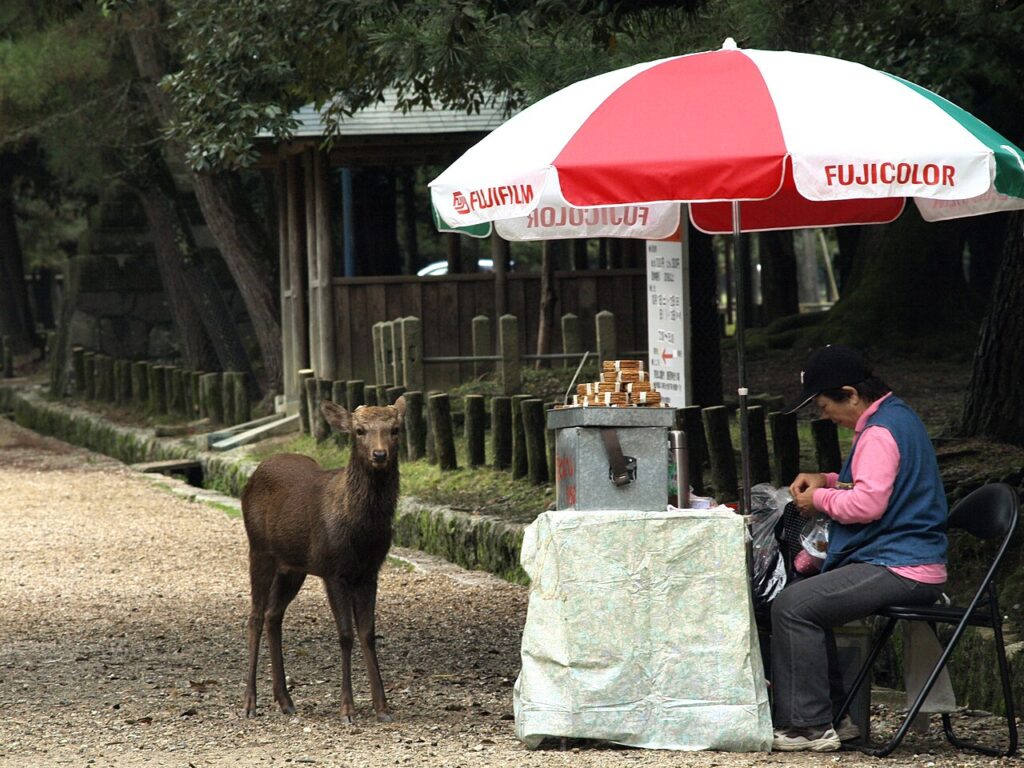
More than a thousand sika deer live in and around Nara Park, and they roam freely among visitors. Many have learned to bow to ask for food. It is charming, but the deer are wild animals. Do not feed them anything except the special crackers sold nearby, because other food and plastic can harm them. Keep your bags closed, because deer will nibble paper and cloth, and be gentle with children. A 2009 study found that many deer were underfed on a diet that relied too much on crackers, so many people prefer to watch rather than feed.
Kofuku-ji and the five-storied pagoda
Kofuku-ji, founded in the seventh century, stands in the heart of the old city. Its pagoda is one of the best-known silhouettes in Nara. The temple has lost land and buildings over the centuries, and restoration work continues, so some areas may be closed or covered when you visit. Walk around the pond at sunset, when the pagoda is reflected in the water. A museum nearby holds sculptures and treasures if you want to know more about Buddhist art.
Naramachi, the old merchant quarter
South of the park lies Naramachi, a neighborhood of narrow lanes lined with traditional merchant houses. Today they hold cafes, small museums, craft shops and inns. It is a good place for a quiet afternoon after the temples, and a nice contrast to the grand halls. Look at the lattice windows, the tiled roofs and the small shrines on the corners. Please remember that many of the houses are private homes.
The site of the old palace
Heijo Palace once stood on a wide plain on the western side of the modern city. Today the site is a large open park with reconstructed buildings, including a gate and a hall, and it is a calm place to walk and think about the scale of the ancient capital. It is less visited than Todai-ji, and it offers wide views and blue skies. Wear a hat in summer and bring water, since there is little shade.
When to go
Spring brings cherry blossoms, and autumn brings red maples, and both seasons are lovely and busy. Summer is hot and humid, and winter is cool and quiet. For fewer crowds, go early in the morning on a weekday, before the tour groups arrive, and stay late when day visitors leave. Check the weather forecast and plan indoor stops for rainy days. The deer are present in every season, though they may be more excitable in autumn.
Getting there
Nara has no airport, but it is easy to reach by train from Osaka and Kyoto. Two main stations, Kintetsu Nara and JR Nara, are a short walk apart, and both are within walking distance of the main sights. The trip from either of the big cities is usually under an hour, and day trips are easy. Staying overnight lets you see the park in the quiet hours. Our guide to <a href="https://www.brightermornings.online/2026/08/27/kyoto-in-autumn-slow-guide/">Kyoto in autumn</a> pairs well with a day here.
Getting around
Most of the key sights are within walking distance of each other, though the paths can be long. Wear comfortable shoes, carry water and take breaks. Buses and bicycles are available if you prefer not to walk. Be careful around deer when you ride, and watch for traffic at crossings. A slow pace is the best approach, because the pleasure of Nara is in the walking.
What to eat
Look for local specialties such as persimmon leaf sushi, sweet rice cakes and noodles. Small restaurants and cafes in Naramachi and near the station offer light meals. If you have dietary needs, show a note in Japanese or ask staff politely, since menus may not list every ingredient. Take a flask of tea and a snack for the walk between sights.
Where to stay
A small hotel or inn near the station is convenient for early starts. Traditional inns in the old quarter offer tatami rooms and quiet evenings. Book early for spring and autumn, when rooms fill quickly. If you stay overnight, walk through the park after dinner, when the paths are calm and the deer are resting.
A gentle day in Nara
- Early morning: walk through the park and watch the deer wake up.
- Morning: visit Todai-ji before the crowds.
- Midday: have lunch in Naramachi and rest.
- Afternoon: stroll to Kasuga Shrine and the forest paths.
- Evening: see Kofuku-ji at dusk and enjoy a quiet dinner.
Visiting with respect
The temples and shrines are active places of worship. Bow slightly at gates, keep your voice low and follow signs about photography. Do not touch statues or sacred objects, and treat the deer with care. Take your trash with you, and be patient in queues. A visit to Nara is most rewarding when you move with the quiet of the place.
Traveling with children and older relatives
Nara is one of the easiest historic cities to visit with family. Children usually love the deer, and the paths in the park are wide and flat. Teach children to approach the animals calmly, to keep food hidden and to wash their hands afterward. For older relatives, plan short walks with plenty of benches and cafes along the way, and use buses or taxis between the main sights. A slower itinerary with fewer temples is better than a rushed one.
Rainy days in Nara
Rain is part of the Japanese year, and Nara can look especially beautiful when the stone lanterns and temple roofs are wet. Carry a compact umbrella and wear shoes that grip. Indoor stops such as the national museum, temple halls and cafes in Naramachi make good shelters. Paths in the park can get muddy, so expect to walk slowly. A wet morning is also a good time to avoid the crowds.
Quiet and photography
The temples and shrines are places of worship, and photography rules differ from hall to hall. Look for signs, and never use a flash near sacred images. Ask before photographing people, especially monks and worshippers, and avoid placing your camera or tripod where others need to walk. In the park, remember that the deer move quickly, so keep your bag closed and your attention on the animals as well as the lens.
Small souvenirs
Nara is known for crafts such as ink sticks, brushes and traditional sweets, and for pickles and tea. Small shops in Naramachi and near the station sell gifts and local snacks. Choose a modest item that you will actually use, and ask the shop owner about how it is made. A thoughtful gift is better than a heavy bag of souvenirs.
Find it on the map
- Check temple hours and any closures before you go.
- Buy only the official deer crackers and keep other food away from the deer.
- Wear comfortable shoes for long walks on gravel paths.
- Dress modestly and keep your voice low at shrines and temples.
- Check the weather and any local news the day before, and read recent Google Maps reviews for current conditions.
- Carry water, sun protection and small change, and wear comfortable shoes.
- Dress modestly for temples and shrines: shoulders and knees covered.
Take your time. Do not hurry from one stop to the next. Sit down, look slowly, and let yourself appreciate what is in front of you. A place seen slowly is remembered for much longer.
Sources
Edited by Rehel Jemera Sausa